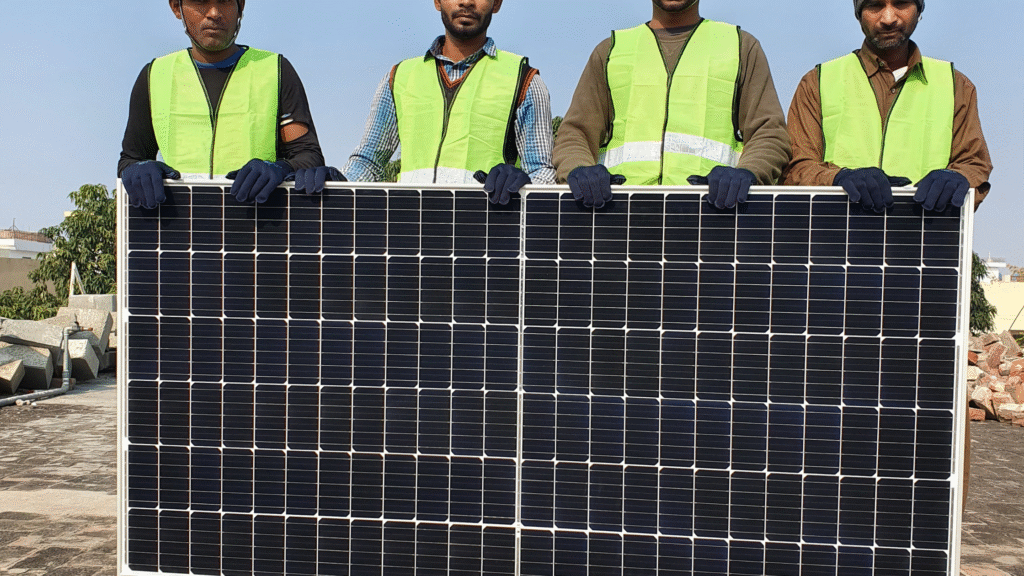
Installing solar panels is one of the smartest investments homeowners can make, but your solar panels are only as good as the inverter powering the system.
A solar inverter converts the direct current (DC) electricity generated by solar panels into alternating current (AC), which powers your home appliances. Choosing the right inverter can significantly improve energy efficiency, reduce electricity bills, and increase the lifespan of your solar system.
With newer technologies like hybrid inverters, smart monitoring, and battery-ready systems becoming mainstream in 2026, selecting the best solar inverter requires more than comparing prices.
This guide covers everything you need to know, including inverter types, key features, top brands, estimated costs, and buying tips for homeowners in the US and global markets.
Why Choosing the Right Solar Inverter Matters
Many homeowners focus only on solar panels, but the inverter is often called the brain of a solar power system.
A high-quality inverter offers:
- Higher energy conversion efficiency
- Better monitoring and diagnostics
- Longer warranty coverage
- Battery storage compatibility
- Improved safety features
- Higher long-term savings
An efficient inverter can help maximize the energy produced by your solar panels over the next 20–25 years.
Types of Solar Inverters
String Inverters
String inverters connect multiple solar panels to a single inverter.
Pros
- Affordable
- Easy to install
- Reliable for roofs with consistent sunlight
Cons
- Performance drops if one panel is shaded
- Less panel-level monitoring
Best For: Homes with simple roof layouts and minimal shading.
Microinverters
Microinverters are installed on each individual solar panel.
Pros
- Each panel operates independently
- Excellent performance in shaded areas
- Better monitoring
- Higher overall efficiency
Cons
- Higher upfront cost
Best For: Homes with complex roof designs or partial shading.
Also Read: Solar Panel Cost in the USA (2026 Guide)
Hybrid Solar Inverters
Hybrid inverters combine solar generation with battery storage.
Pros
- Battery-ready
- Supports backup power
- Ideal for future expansion
- Smart energy management
Cons
- More expensive than traditional string inverters
Best For: Homeowners planning battery storage or energy independence.
Off-Grid Inverters
Designed for homes without access to the utility grid.
These systems require battery storage and are commonly used in remote locations.
Key Features to Look for in 2026
High Efficiency
Choose an inverter with at least 96–99% conversion efficiency.
Higher efficiency means more usable electricity and lower energy losses.
Battery Compatibility
Even if you don’t plan to install batteries today, choosing a battery-ready inverter makes future upgrades easier.
Smart Monitoring
Most premium inverters now include:
- Mobile apps
- Wi-Fi connectivity
- Real-time production monitoring
- Fault detection
- Performance reports
These features help homeowners track energy production and identify issues quickly.
Warranty
Look for warranties between 10 and 25 years.
Longer warranties often indicate greater product reliability.
Safety Features
Modern inverters should include:
- Surge protection
- Overload protection
- Arc fault detection
- Rapid shutdown capability
- Temperature monitoring
Best Solar Inverter Brands in 2026
According to recent industry reviews, several brands consistently rank among the top residential solar inverter manufacturers.
| Brand | Best For |
|---|---|
| SolarEdge | Overall performance |
| Enphase | Microinverter systems |
| Tesla | Battery integration |
| EcoFlow | Hybrid systems |
| Qcells | AC panel systems |
| SMA Solar | Premium reliability |
| Fronius | High efficiency |
| Growatt | Budget-friendly systems |
When selecting a brand, also consider local installer support, warranty service, and software updates.
String Inverter vs Microinverter
| Feature | String Inverter | Microinverter |
|---|---|---|
| Cost | Lower | Higher |
| Efficiency with Shade | Lower | Higher |
| Panel Monitoring | Limited | Individual panel monitoring |
| Installation | Simple | More complex |
| Expansion | Moderate | Easy |
If your roof receives uneven sunlight throughout the day, microinverters generally provide better performance.
How Much Does a Solar Inverter Cost?
Pricing depends on system size, inverter type, and installation.
| Inverter Type | Estimated Cost (USD) |
|---|---|
| String Inverter | $1,000–$2,500 |
| Microinverter System | $2,000–$4,500 |
| Hybrid Inverter | $2,500–$6,000 |
Installation costs vary depending on system complexity and labor rates.
How to Choose the Right Solar Inverter
Consider these factors before purchasing.
1. Home Size
Larger homes generally require higher-capacity inverters.
2. Daily Energy Usage
Review your monthly electricity consumption to determine inverter capacity.
3. Roof Design
Homes with multiple roof angles often benefit from microinverters.
4. Battery Plans
Planning to install battery storage later?
Choose a hybrid inverter now to avoid expensive upgrades.
5. Local Climate
Extreme temperatures can affect inverter performance.
Select products designed for your local weather conditions.
Smart Features Trending in 2026
Modern residential solar systems increasingly include:
- AI-powered energy optimization
- Cloud monitoring
- Smartphone alerts
- Remote diagnostics
- Smart home integration
- EV charger compatibility
These features improve efficiency while making systems easier to manage.
Recent Industry Developments
In 2026, inverter technology has also become a focus of energy security discussions. The United States and parts of Europe are considering restrictions on certain foreign-made inverters due to cybersecurity concerns, making trusted brands and long-term support an increasingly important factor when purchasing a system.
Common Mistakes to Avoid
Buying Based Only on Price
Cheaper inverters may have shorter warranties and lower efficiency.
Ignoring Warranty Coverage
Your inverter should last for many years.
Always compare warranty terms before buying.
Choosing the Wrong Size
Oversized or undersized inverters reduce system performance.
Consult a qualified installer for proper sizing.
Forgetting Future Expansion
Battery-ready inverters provide flexibility if you later decide to add energy storage.
Maintenance Tips
Solar inverters require very little maintenance.
To keep your system running efficiently:
- Monitor performance monthly
- Keep ventilation areas clear
- Schedule annual inspections
- Update firmware when available
- Address warning messages promptly
Are Hybrid Inverters Worth It?
For many homeowners, yes.
Hybrid systems provide:
- Backup power during outages
- Better energy independence
- Battery integration
- Future-ready technology
Although the upfront investment is higher, they often deliver greater long-term value.
Frequently Asked Questions (FAQs)
What is the best solar inverter for home use in 2026?
Leading residential options include SolarEdge, Enphase, EcoFlow, Tesla, and SMA Solar, depending on your budget and system requirements.
Which inverter is better: string or micro?
Microinverters perform better on shaded or complex roofs, while string inverters remain more affordable for straightforward installations.
How long does a solar inverter last?
Most quality residential solar inverters last 10–15 years, while many microinverters carry warranties of up to 25 years.
Can I add batteries later?
Yes. Choosing a hybrid inverter today makes adding battery storage much easier in the future.
Is a hybrid inverter worth the extra cost?
If you want backup power, battery storage, or greater energy independence, a hybrid inverter is often a worthwhile investment.
Final Verdict
The best solar inverter for your home depends on your roof design, energy usage, budget, and future plans.
For many homeowners:
- SolarEdge is an excellent all-around choice.
- Enphase is ideal for homes with shading or complex roof layouts.
- Hybrid inverters are the best option if you plan to add battery storage or backup power.
Rather than choosing solely on price, prioritize efficiency, warranty, monitoring features, and reliable after-sales support to maximize the value of your solar investment.
Conclusion
A solar inverter is one of the most important components of any residential solar system. The right choice can improve energy production, reduce long-term costs, and prepare your home for future technologies such as battery storage and smart energy management.
Before making a purchase:
- Compare inverter types.
- Review efficiency ratings and warranties.
- Work with a reputable installer.
- Plan for future energy needs.
Investing in a high-quality solar inverter today can help deliver reliable, clean energy savings for decades to come.