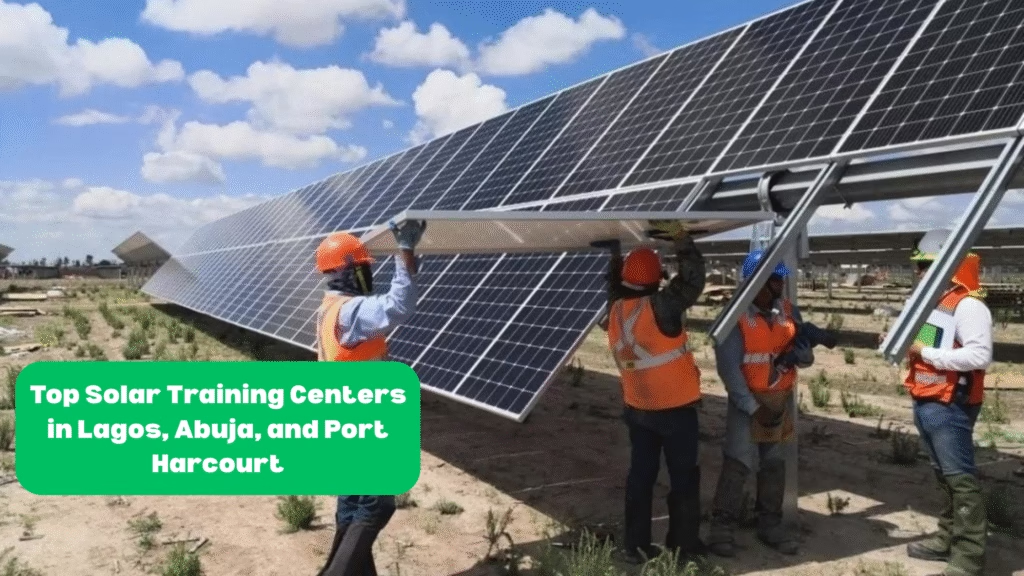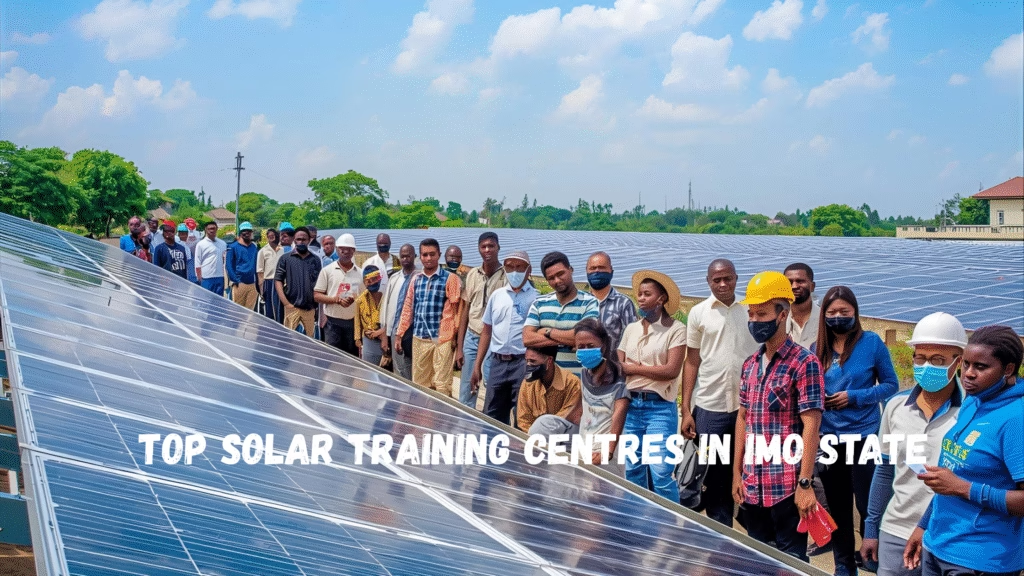
Looking for free solar installation training in Nigeria? You can start with no-cost online lessons, manufacturer learning academies and government or NGO-funded cohorts—but the cost, practical experience and certificate depend on the provider. This guide explains where to look, what skills to learn, how to verify a programme and how to build a pathway towards paid solar work.
Before enrolling, confirm whether training is fully free, whether assessment or certification costs extra, and whether hands-on practice is included. A free online course can build foundational knowledge, but it does not automatically qualify you as a licensed electrician, professionally registered engineer or independently competent installer. For live opportunities, always follow the provider’s official announcement and check whether applications are currently open.
Why Free Solar Installation Training Matters
Solar jobs grow every year. Demand for skilled installers rises across Africa, the US, Europe, Asia and the Middle East. Power supply gaps and rising fuel prices push more people to solar. Skilled installers get steady work. Even small skills can earn income in your community. Free training makes it simple for you to begin without financial stress.
What You Learn in Free Solar Installation Courses
- Solar basics and system components
- PV modules, inverters, batteries and charge controllers
- Wiring, safety and meter installation
- System sizing and load calculation
- Roof mounting and support structures
- Energy storage and hybrid systems
- Troubleshooting and maintenance
Paths to Free Solar Installation Training
Below are the main platforms and programs that offer free learning.
1. Coursera Free Audit Courses
Universities run solar courses that you can audit without paying. You view lessons, quizzes and project examples. You skip the certificate unless you apply for financial aid.
2. YouTube Technical Channels
Industry installers post step-by-step wiring videos and on-site walkthroughs. Look for engineers and certified installers who share real field content. Start with basic PV wiring, safety and fuse sizing.
3. Solar Manufacturer Academies
Brands train installers so products get installed well. Platforms like Huawei Solar, Growatt University and Victron Energy Academy offer free webinars and self-paced training. Some provide certificates.
4. Government Skill Programs
Many countries support energy skill training. Technical agencies and renewable energy programs sponsor free workshops. Local power agencies often host bootcamps.
5. NGO and Development Programs
Development partners run clean-energy programs for youth and community workers. They teach solar basics, women-in-energy programs and off-grid system installation skills.
Sample Free Solar Training Platforms
| Platform | Training Type | Certificate | Focus Area |
|---|---|---|---|
| Coursera (Audit mode) | Online theory | Optional via aid | Solar PV fundamentals |
| Victron Energy Academy | Online learning | Yes | Hybrid and off-grid systems |
| Growatt Training | Webinars | Yes | Inverters and batteries |
| YouTube Installer Channels | Hands-on demos | No | Practical wiring |
| Local Government Programs | Workshops | Yes | Installation and safety |
Solar Installation Salary and Job Outlook
Entry-level installers can start with small jobs such as wiring small homes, mounting panels, or assisting senior installers. With experience, you move to commercial projects or hybrid solar-battery setups.
Job-market note: Demand for solar skills varies by location, employer and project pipeline. The index chart previously shown here was illustrative rather than a verified employment dataset, so it has been removed. To assess current opportunities, check live vacancies, employer career pages and reputable job boards, and compare the required skills with the training you are considering.
Hands-On Practice Without Paying
- Shadow an installer on weekends
- Volunteer with community electrification projects
- Practice with small 12V systems
- Join tech meetups and renewable clubs
- Offer free labor at first to learn site work
Tools and Skills You Build Along the Way
- Multimeter and continuity checks
- Cable crimping and lug termination
- Rooftop mounting and alignment
- Series and parallel wiring
- Fuse rating and protective devices
- Battery bank setup
- Inverter configuration
Solar Installer Learning Roadmap
Beginner to Installer Flow
Step 1: Learn solar basics online
Step 2: Watch wiring and safety demos
Step 3: Practice with 12V kit
Step 4: Join field installation
Step 5: Earn product certificates
Step 6: Build portfolio
Step 7: Offer paid services
Certification Options With Zero Cost
Some programs provide free e-certificates after completing quizzes. Others give product installer badges. These help you gain trust when marketing your services.
- Victron installer certificates
- Growatt installer badges
- Huawei inverter training sheets
- Coursera aid for certificates
How To Stand Out After Training
- Document your practice work
- Post before-after pictures
- Create short installation videos
- Share system sizing tips online
- Network with electricians
- Partner with solar shops
Real Job Paths You Can Target
- Rooftop installer
- Hybrid solar technician
- Battery system technician
- Residential solar designer
- Solar sales and site assessment
- Maintenance and troubleshooting engineer
Bonus: 30-Day Solar Skill Plan
| Week | Focus | Outcome |
|---|---|---|
| Week 1 | Basics and wiring | Understand PV parts |
| Week 2 | Safety and tools | Confident with meters |
| Week 3 | Inverters and batteries | Connect small system |
| Week 4 | Field practice | Join real installation |
Where Free Solar Training Shines
Free learning builds your foundation. Once you gain experience, clients trust your work. You create a portfolio and scale from small systems to hybrid solar plants.
Simple Starter Kit for Practice
- 100W panel
- PWM or MPPT charge controller
- 12V battery
- DC fuse and cable set
- Multimeter
Practice safe wiring and load testing. Test phone chargers, bulbs and fans.
Checklist Before Your First Paid Job
- System sizing sheet ready
- Load list template
- Safety gear and gloves
- Mounting tools
- Cable termination kit
Questions That Guide Your Growth
What system size fits a three-bedroom home?
How do you calculate inverter and battery capacity?
Which protection devices suit a 5kVA system?
What common wiring mistakes cause faults?
Action Steps After Training
- Offer small home installations
- Partner with solar vendors
- Run awareness sessions in your area
- Share energy-saving tips online
- Build referral network
Frequently Asked Questions
Can you learn solar installation free?
Yes. Online classes, brand academies and community trainings offer free pathways.
Do free courses give certificates?
Some do. Others require aid applications for certificates.
How long does it take?
Two to eight weeks gives basic skills. Practice builds mastery.
Do you need math?
Simple load and cable sizing math helps. Online worksheets guide you.
Can free solar training guarantee a job?
No course can guarantee employment. Free training can help you build foundational knowledge, but employers commonly look for practical experience, electrical safety awareness, troubleshooting ability and evidence of work. Build a portfolio under qualified supervision and apply for entry-level assistant or trainee roles.
Continue Your Solar Training Journey
Compare solar training institutes and certification options, review government and NGO-supported training opportunities, and learn about solar installer certification requirements in Nigeria. If you are ready for work experience, see our guide to solar internships and apprenticeships.