
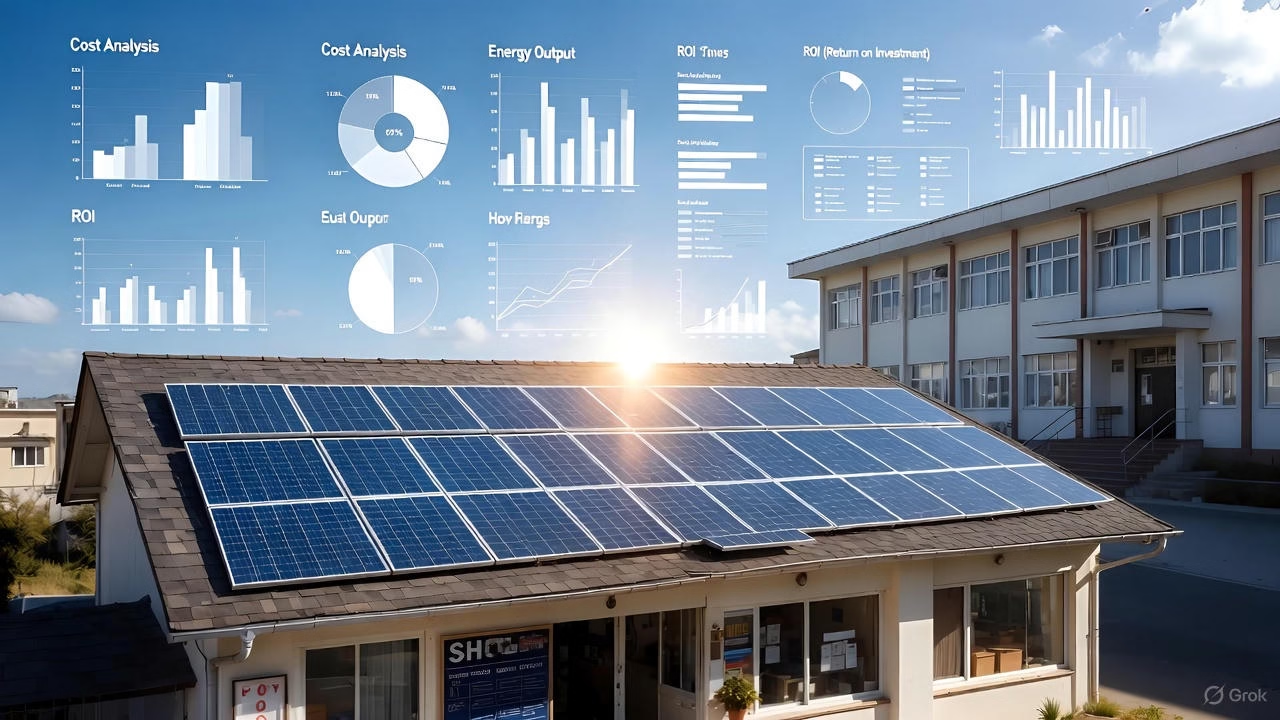
Imagine cutting your energy bills in half with a system that pays for itself over time. You run a shop or manage a school. Rising electricity costs eat into your budget. Solar offers a way out.
This post covers the full cost of a solar setup for shops and schools. You get breakdowns on components, price factors, incentives, and return on investment. Data comes from 2025 sources to keep it current.
What Makes Up a Complete Solar Setup?
A complete solar setup includes key parts. Each part works together to generate power.
- Solar panels capture sunlight.
- Inverters convert DC to AC power.
- Mounting systems secure panels to roofs or ground.
- Batteries store excess energy.
- Wiring connects everything.
- Monitoring tools track performance.
- Charge controllers regulate battery charging.
Shops often need smaller systems. Schools require larger ones due to higher energy use.
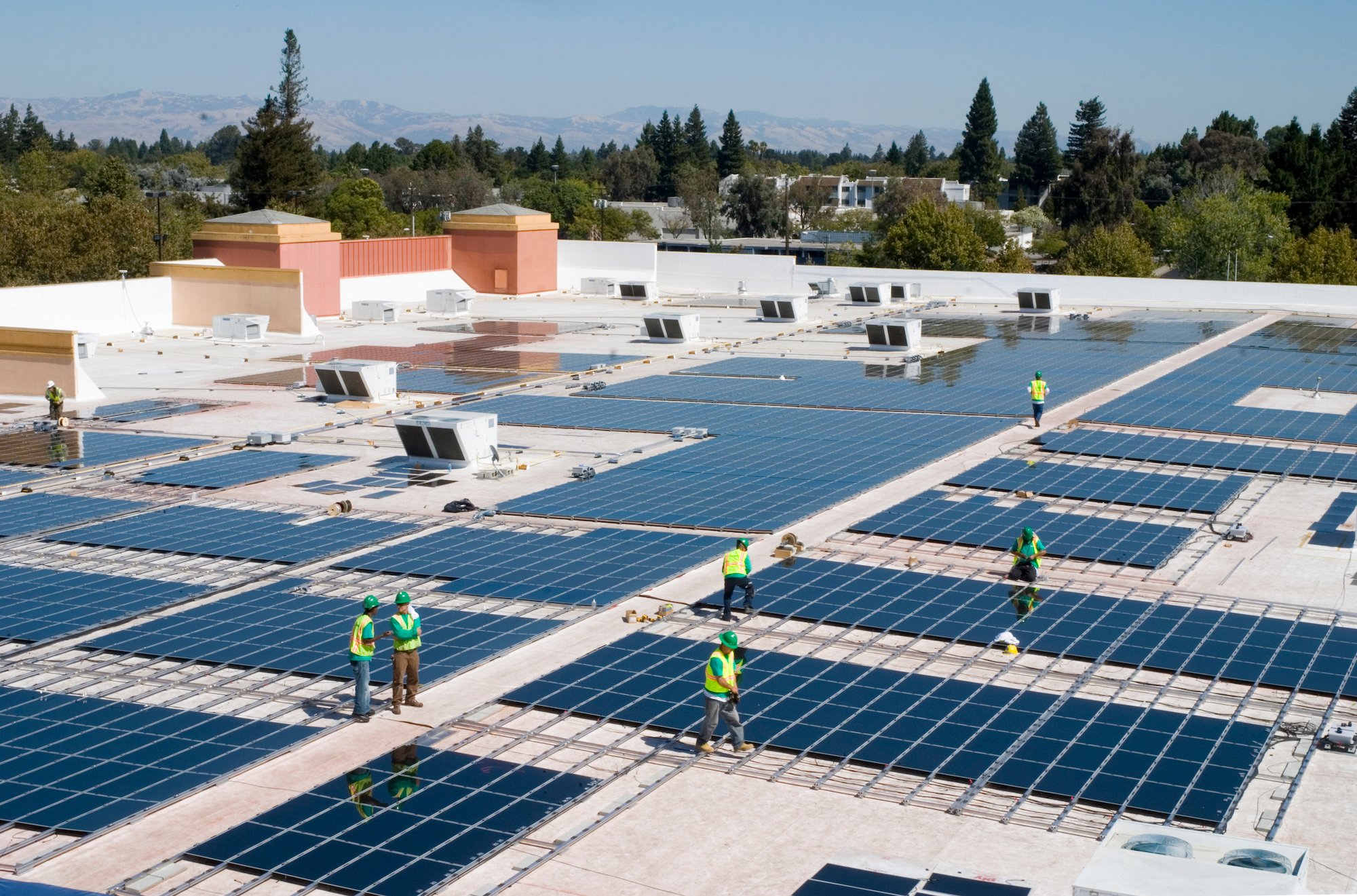
For a shop, a 10 kW system might suffice. Schools could need 50 kW or more.
Average Costs for Shops in 2025
Costs vary by size and location. Expect $2.50 to $3.50 per watt before incentives.
A small shop with a 5 kW system pays $12,500 to $17,500 gross. After 30% federal tax credit, it drops to $8,750 to $12,250.
For a 10 kW setup, gross cost hits $25,000 to $35,000. Net cost after credit: $17,500 to $24,500.
Larger shops with 20 kW systems see $50,000 to $70,000 gross. Net: $35,000 to $49,000.
These figures include installation. Labor adds 10% to 20% of total cost.
| System Size (kW) | Gross Cost ($$ ) | Net Cost After 30% Credit ( $$) |
|---|---|---|
| 5 | 12,500 – 17,500 | 8,750 – 12,250 |
| 10 | 25,000 – 35,000 | 17,500 – 24,500 |
| 20 | 50,000 – 70,000 | 35,000 – 49,000 |

Average Costs for Schools in 2025
Schools use more power. Systems start at 20 kW.
A 20 kW system costs $50,000 to $70,000 gross. Net after credit: $35,000 to $49,000.
For 50 kW, expect $125,000 to $175,000 gross. Net: $87,500 to $122,500.
Larger schools with 100 kW pay $250,000 to $350,000 gross. Net: $175,000 to $245,000.
Installation on school roofs adds complexity. Permits and grid ties increase costs by 15%.
| System Size (kW) | Gross Cost ($$ ) | Net Cost After 30% Credit ( $$) |
|---|---|---|
| 20 | 50,000 – 70,000 | 35,000 – 49,000 |
| 50 | 125,000 – 175,000 | 87,500 – 122,500 |
| 100 | 250,000 – 350,000 | 175,000 – 245,000 |
Factors That Influence Your Solar Setup Cost
Several elements affect your final price. Know them to budget right.
Location plays a big role. Sunny areas like California get better deals due to high demand. Northern states pay more for shipping.
System size matters most. Larger setups cost less per watt. Economies of scale kick in.
Panel type impacts price. Monocrystalline panels cost more but produce better. Polycrystalline options save money upfront.
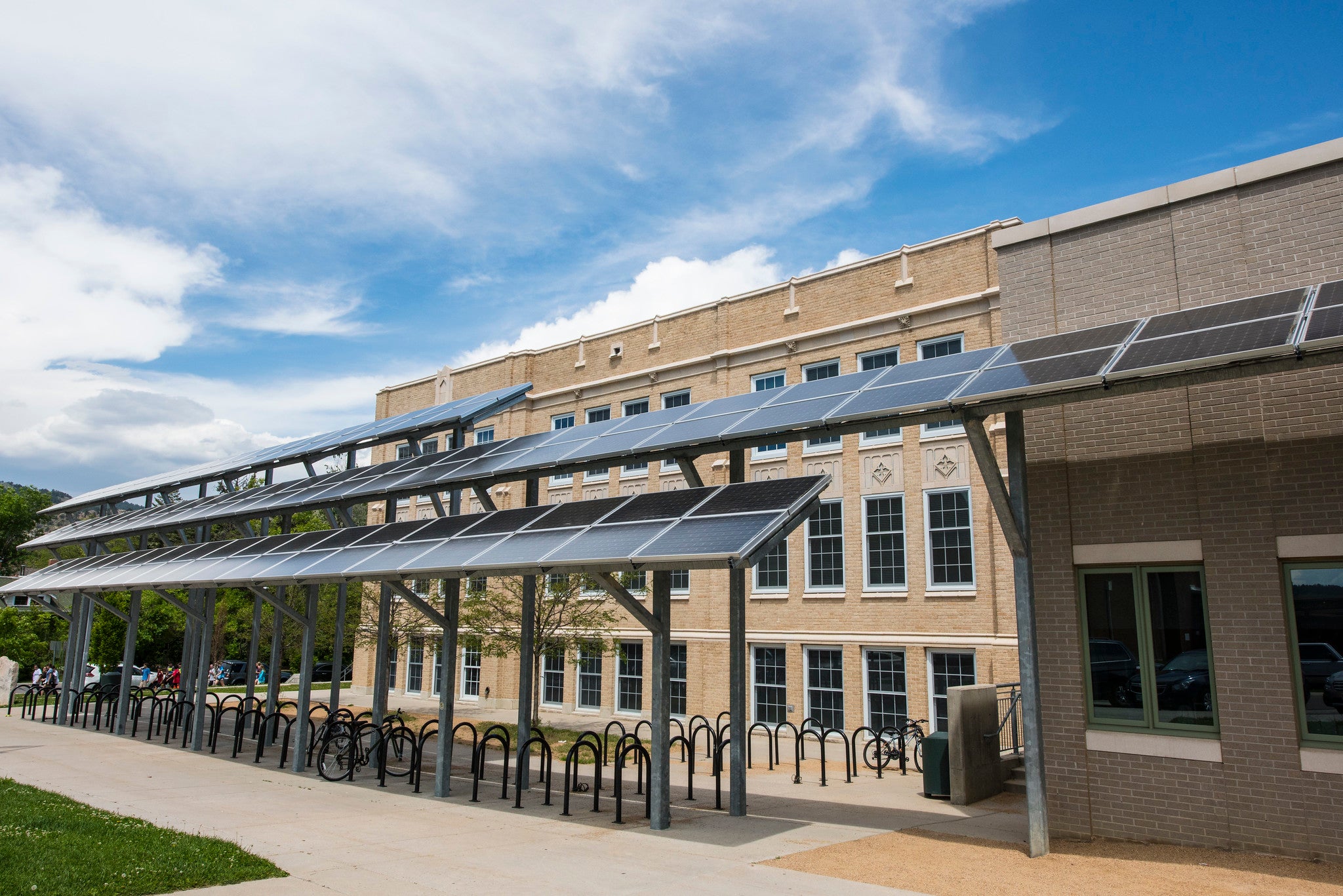
Installation type varies cost. Roof mounts cost less than ground mounts. Ballasted systems avoid roof penetration but add weight checks.
Incentives lower costs. Federal tax credit covers 30% in 2025. State rebates add savings.
Energy needs drive size. Assess your usage first. A shop with AC units needs more panels than one without.
Permits and inspections add $1,000 to $5,000.
Ask yourself: Does your roof face south? South-facing roofs cut costs by maximizing output.
Incentives and Rebates for Shops and Schools
You qualify for help in 2025. Use them to reduce upfront costs.
Federal Investment Tax Credit gives 30% back. Claim it on taxes.
Schools get direct pay options. Nonprofits receive cash instead of credits.
State programs vary. California offers rebates per kWh produced. Check your state.
Utility rebates exist. Some pay $0.50 per watt installed.
Accelerated depreciation helps businesses. Deduct costs faster.
Grants for schools cover part of installation. Apply through energy departments.
Combine incentives. A shop might save 50% total.
Question: Have you checked local incentives? They change yearly.
Return on Investment for Your Solar Setup
Solar pays back over time. Calculate ROI to see value.
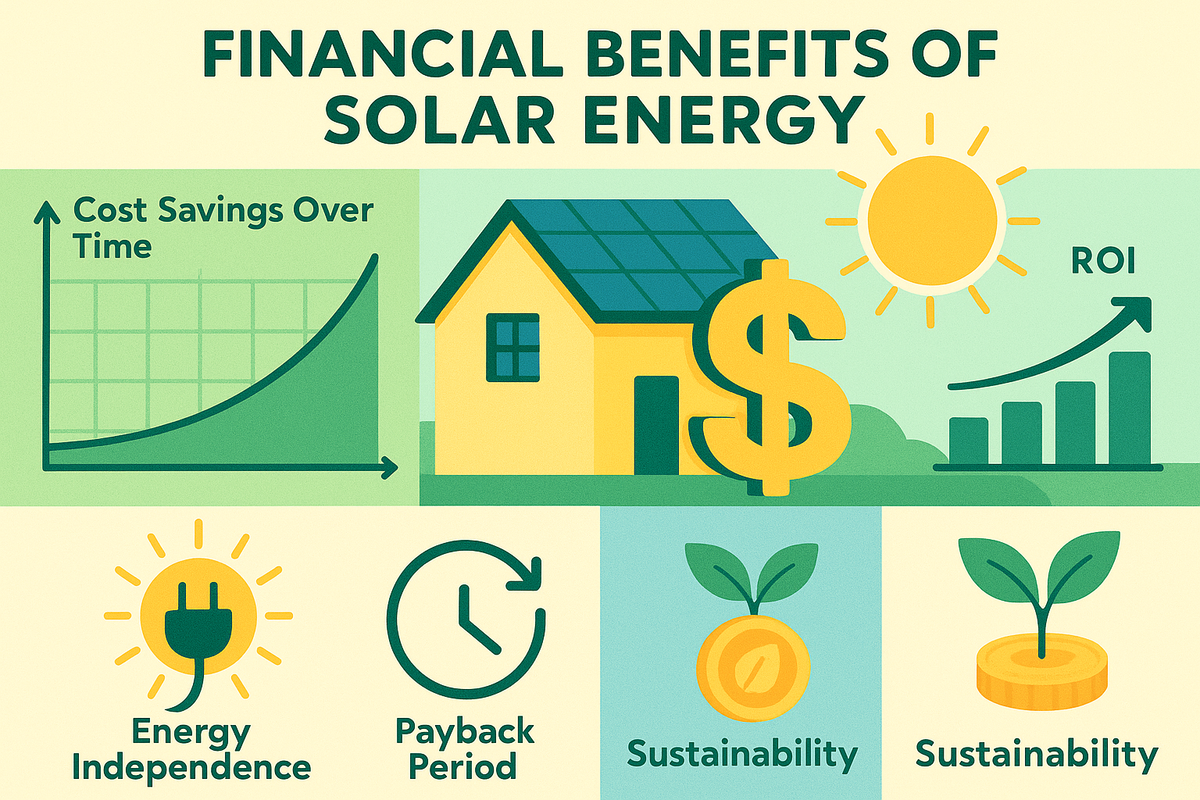
Shops see ROI in 5 to 8 years. After that, free power.
A 10 kW shop system saves $2,000 yearly on bills. Payback in 9 years gross, 6 net.
Schools save more. K-12 districts cut $100,000 annual bills.
ROI averages 16% for commercial. Better than many investments.
Factors: Energy rates, sunlight hours, system efficiency.
Use online calculators. Input your data for precise ROI.
Case Studies: Real Examples from Shops and Schools
Real-world installations show how solar delivers long-term savings for both small businesses and educational institutions. For example, a small retail shop in Texas installed an 8 kW system that originally cost $20,000. After applying federal credits, the net cost dropped to $14,000, and the shop now saves about $1,800 every year—meaning the investment pays for itself in roughly eight years.
In Palestine, Illinois, a local school district invested in a 202 kW array costing $300,000. Their system offsets a significant portion of their utility bill and generates around $20,000 in annual savings. Similarly, De La Salle High School in California adopted a large solar PV system that delivers an impressive $125,000 per year in energy cost reductions. Eau Claire schools also benefit from solar arrays that consistently save them about $20,000 yearly.
One of the most remarkable cases comes from Michigan, where a school district undertook a massive $3.5 million solar project. Thanks to federal direct-pay incentives, 30% of the cost was covered automatically—making the project much more affordable.
All these examples demonstrate a clear pattern: solar works, solar saves money, and solar scales. Whether you’re a shop owner or school administrator, your own installation can achieve similar results with the right design and incentives.
How to Choose the Right Solar Provider
Selecting the right solar provider is one of the most important decisions you’ll make. Start by prioritizing companies with proven experience in commercial or institutional installations, as these projects require specialized knowledge. Always request multiple quotes so you can compare cost per watt, system components, and project timelines.
Look for installers with recognized certifications such as NABCEP (North American Board of Certified Energy Practitioners). This credential signals professionalism and technical quality. Reviews and testimonials from past clients also matter tremendously—these give you insight into real customer experience, after-sales support, and reliability.
Don’t forget to ask about warranties. High-quality solar panels often carry 25-year performance warranties, while inverters usually include 5–10 years of coverage. Good financing options—such as loans, leases, or power purchase agreements—can also help you spread out costs.
Finally, confirm whether the provider handles permitting and grid interconnection paperwork. This saves you time, reduces stress, and ensures the project meets regulatory requirements.
Maintenance and Long-Term Costs
Solar systems are known for their low maintenance needs, but some upkeep is essential. Panels should be cleaned about twice per year to remove dust, leaves, and debris that reduce efficiency. A professional annual inspection typically costs between $150 and $300 and helps ensure the system continues running safely and efficiently.
Most systems require an inverter replacement after 10–12 years, with typical costs ranging from $1,000 to $3,000 depending on the inverter type. If your system includes batteries, expect to replace them every 5 to 15 years. Depending on the chemistry and capacity, replacements may cost $5,000 or more.
Despite these costs, solar remains highly cost-effective. Systems routinely produce power for 25 years or longer, and the energy savings far outweigh maintenance expenses. Modern systems also come with monitoring apps that let you track power output in real time—helping you catch issues early.
Environmental Benefits for Your Shop or School
Solar energy offers significant environmental advantages. A typical 10 kW system can offset around 10 tons of CO₂ per year, reducing your carbon footprint dramatically. Shops that adopt solar often attract environmentally conscious customers, while schools gain opportunities to teach students about sustainability and renewable energy.
Solar also reduces dependence on the national grid. When paired with battery storage, your facility becomes more resilient during outages, ensuring that essential loads remain powered. Beyond cost savings, going solar sends a powerful message to your community: you’re committed to clean energy and future-focused development.
Steps to Install Your Solar Setup
The solar installation process follows a clear step-by-step flow. Begin with an energy audit to understand your current electricity usage. Next, a solar provider will conduct a site assessment to check available roof or ground space, shading, and structural suitability.
Based on your needs and budget, you’ll choose an appropriate system size. Then, apply early for any incentives or tax credits, as approvals may take time. Once you select a provider and sign your contract, installation typically takes between one and three months, depending on system size and permitting timelines.
After installation, the system is connected to the grid and activated. From there, you begin enjoying immediate savings. Ongoing monitoring helps ensure your panels produce as expected.
Common Mistakes to Avoid
Many buyers make preventable mistakes when going solar. One of the biggest is failing to apply for incentives—these can reduce costs by 30% or more. Others opt for ultra-cheap panels or inexperienced installers, which may lead to poor performance or early system failure.
Sizing errors are also common. An undersized system won’t meet your energy needs, while an oversized one may not deliver the best financial return. It’s important to plan ahead if you expect your facility to grow or add new equipment.
Finally, ensure you have insurance coverage for the system. This protects you against unforeseen events like storms or accidents. Always verify whether your roof is strong enough to hold the panels before installation—it’s a critical safety step.
Future Trends in Solar for Shops and Schools
The future of solar looks increasingly affordable and innovative. Solar costs continue to drop, and experts predict that by 2030 the average installed cost may fall to around $2 per watt. Battery storage is also becoming cheaper and more common, allowing facilities to store energy and use it during peak hours.
AI-driven energy management systems are emerging too, helping buildings automatically adjust usage for maximum savings. Community solar is expanding, enabling multiple buildings to share one solar project.
With supportive government policies and expanding incentive programs, solar has never been a better long-term investment. Businesses and schools that adopt solar now position themselves for decades of stable, low-cost energy.
Frequently Asked Questions (FAQ)
1. How long do solar panels last?
Most panels last 25–30 years and often continue producing power beyond that, just at slightly reduced efficiency.
2. Is solar worth it for small shops?
Yes. Even small systems can cut monthly bills significantly and pay for themselves in 5–10 years depending on incentives.
3. What happens during a power outage?
A grid-tied solar system shuts down for safety unless it has batteries or backup equipment. With storage, you can power essential loads.
4. Do schools qualify for special incentives?
Yes. Schools can use direct-pay federal incentives, grants, and zero-interest financing programs in many states.
5. How often do panels need cleaning?
Usually twice per year. More frequent cleaning may be needed in dusty or heavily polluted areas.
6. Can I add more panels later?
Yes—if your electrical system and inverter have capacity. It’s smart to plan for future expansion.
7. How do I know what size system I need?
Your installer will calculate this by analyzing your monthly and annual electricity usage.
8. Do solar systems increase property value?
Most studies show they do—because buyers appreciate lower operating costs.