
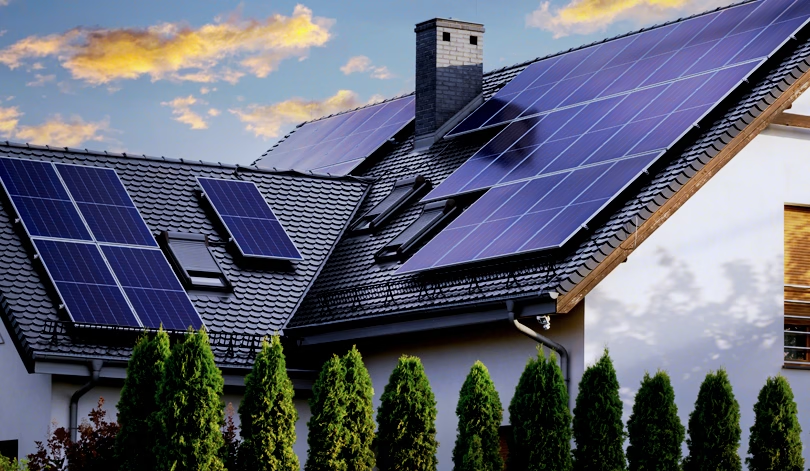
In an era where energy costs are rising and environmental concerns are at the forefront, switching to solar power has become a smart choice for homeowners. For small homes, a 1.5 kVA solar inverter strikes the perfect balance between affordability, efficiency, and capacity. These inverters can power essential appliances like lights, fans, refrigerators, and even a small air conditioner during outages or off-grid scenarios. With advancements in technology by 2025, options range from grid-tie models that maximize savings on electricity bills to hybrid systems that integrate battery storage for reliable backup.
This comprehensive guide dives into the best 1.5 kVA solar inverters available today, complete with up-to-date prices, features, and expert insights. Whether you’re looking to reduce your carbon footprint or ensure uninterrupted power in areas with frequent blackouts, we’ll help you find the right fit. We’ll cover everything from basic concepts to detailed product reviews, including a comparison table, visual aids, and frequently asked questions to optimize your decision-making process.
What is a 1.5 kVA Solar Inverter?
A 1.5 kVA (kilovolt-ampere) solar inverter is a device that converts direct current (DC) generated by solar panels into alternating current (AC) usable by household appliances. The “1.5 kVA” rating indicates its apparent power capacity, which typically translates to about 1.2 kW to 1.5 kW of real power output, depending on the power factor (usually 0.8 for most home loads).
There are three main types suitable for small homes:
- Grid-Tie Inverters: Connect directly to the utility grid, allowing excess energy to be fed back for credits (net metering). Ideal for homes with stable grid access.
- Off-Grid Inverters: Work independently with batteries and solar panels, perfect for remote or blackout-prone areas.
- Hybrid Inverters: Combine grid-tie and off-grid features, supporting battery storage for energy independence.
In 2025, most models incorporate MPPT (Maximum Power Point Tracking) technology for optimal solar harvest, with efficiencies often exceeding 95%. For small homes (typically 500-1,000 sq ft), a 1.5 kVA inverter can support 4-6 solar panels (around 1-1.5 kW total) and handle daily loads of 5-10 units of electricity.
Benefits of 1.5 kVA Solar Inverters for Small Homes
Investing in a 1.5 kVA solar inverter offers numerous advantages tailored to compact living spaces:
- Cost Savings: Reduce electricity bills by 30-50% through self-generated power. With net metering, you can earn credits for surplus energy.
- Energy Independence: Hybrid models provide backup during outages, ensuring essential devices stay running.
- Environmental Impact: Lower your carbon footprint by relying on renewable energy, contributing to global sustainability goals.
- Scalability: Start small and expand your system as needs grow, without overhauling the setup.
- Low Maintenance: Modern inverters feature smart monitoring via apps, with warranties up to 10-12 years.
- Government Incentives: In many regions, subsidies or tax credits make installation more affordable in 2025.
According to recent industry reports, small-scale solar setups like these can achieve ROI in 4-6 years, especially with rising utility rates.
Factors to Consider When Choosing a 1.5 kVA Solar Inverter
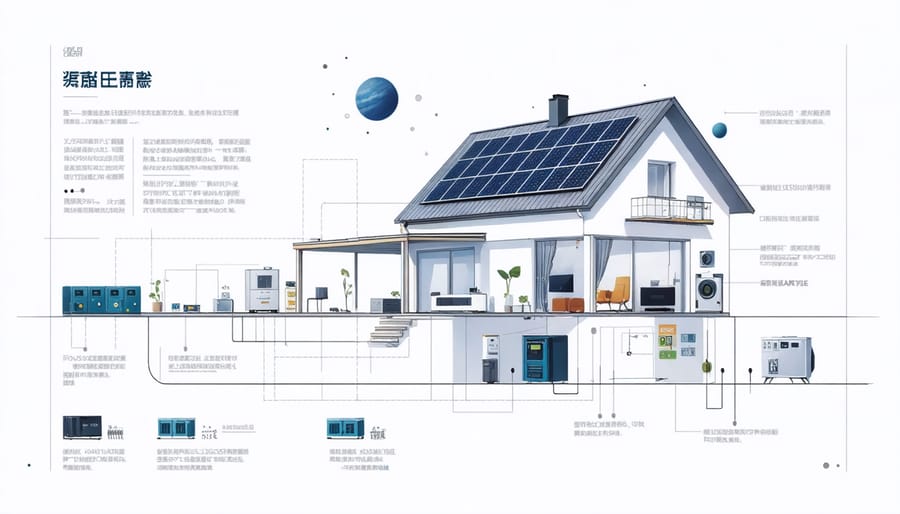
Selecting the right inverter involves evaluating several key aspects:
- Efficiency: Look for CEC or peak efficiency above 95% to minimize energy loss.
- Type: Grid-tie for bill reduction, hybrid for backup.
- Battery Compatibility: Ensure support for lead-acid or lithium-ion batteries.
- Warranty and Durability: Opt for brands with 5-12 year warranties and IP-rated enclosures for weather resistance.
- Features: MPPT controllers, Wi-Fi monitoring, and overload protection enhance usability.
- Price: Budget models start at $150, while premium ones reach $800+.
- Installation and Support: Choose reputable brands with local service networks.
For small homes, prioritize compact designs with low noise levels and easy integration.
Top 6 Best 1.5 kVA Solar Inverters for Small Homes in 2025
Based on expert reviews, consumer feedback, and market data from 2025, here are our top picks. Prices are approximate in USD and may vary by region and retailer.
1. SMA Sunny Boy 1.5 (Grid-Tie)
The SMA Sunny Boy 1.5 is a premium grid-tie inverter from German manufacturer SMA, known for reliability and high efficiency.
- Key Features: 97% efficiency, broad input voltage (80-600V), integrated Wi-Fi for monitoring via Sunny Portal app, compact design (weighs 9kg).
- Pros: Excellent build quality, long 10-year warranty (extendable to 20 years), seamless grid integration.
- Cons: No built-in battery support (requires add-ons for hybrid setup), higher price point.
- Price: Around $650.
- Best For: Urban small homes with stable grid and net metering.
This model excels in voltage performance, making it ideal for variable sunlight conditions.

2. Luminous NXI 1.5 kVA (Grid-Tie/Hybrid)
Luminous, a popular brand in emerging markets, offers the NXI series for efficient solar conversion.
- Key Features: MPPT efficiency up to 98%, supports single-phase grid, remote monitoring, pure sine wave output.
- Pros: Affordable, compatible with lithium batteries, user-friendly interface.
- Cons: Shorter warranty (5 years), may require professional installation.
- Price: Approximately $810 (₹68,000 in India).
- Best For: Small homes in regions with incentives for grid-tie systems.
It’s praised for optimizing battery performance in hybrid modes.
3. SRNE HF1215S60-108 (Hybrid)
A budget-friendly hybrid from SRNE, designed for off-grid and grid-backup applications.
- Key Features: Built-in 60A MPPT controller, 92% efficiency, supports 1000W PV input, pure sine wave, RS485 monitoring.
- Pros: Compact (5.5kg), high charging current (120A max), 1-year warranty with overload protection.
- Cons: Limited to 12V batteries, indoor use only (IP20 rating).
- Price: About $240.
- Best For: Entry-level setups in small homes with frequent outages.
Ideal for powering essentials like lights and fans.

4. MUST PV1300 Series 1.5 kVA (Off-Grid)
MUST’s PV1300 is a reliable off-grid option with integrated PWM controller.
- Key Features: 80% efficiency, 50A solar charge, LCD display, auto restart, supports 24V batteries.
- Pros: Cost-effective, overload protection, suitable for basic loads.
- Cons: Simulated sine wave (not pure), lower efficiency than competitors.
- Price: Around $200 (based on market ranges).
- Best For: Remote small homes without grid access.
It’s user-configurable for AC/solar priority.
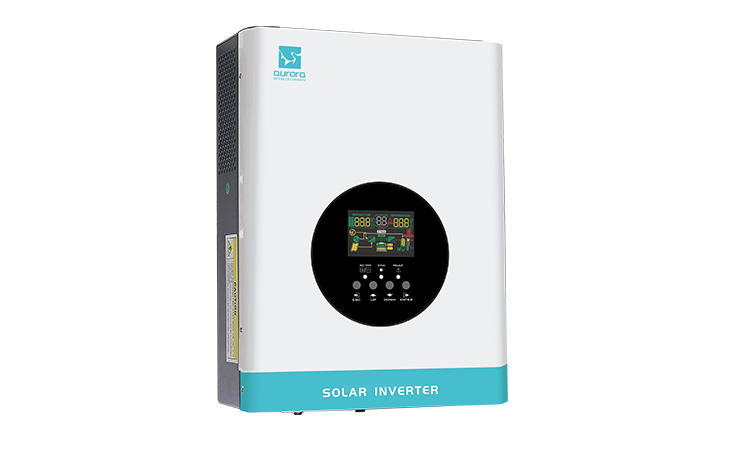
5. Aurora 1.5 kVA/12V (Hybrid)
From Pragmar, the Aurora YF-FS-WP 1512 is a compact hybrid with lithium compatibility.
- Key Features: 98% MPPT efficiency, 30A solar charge, Wi-Fi/GPRS support, pure sine wave.
- Pros: Lightweight, high efficiency, selectable charging currents.
- Cons: Limited PV power (400W), 1-year warranty.
- Price: Approximately $157 (₦252,000).
- Best For: Budget-conscious small homes in developing regions.
Great for optimized battery use.
6. Microtek Solar Inverter 1.5 kVA (Hybrid)
Microtek offers durable hybrid models like the UPS Solar series for home use.
- Key Features: Pure sine wave, MPPT/PWM options, battery protection, digital display.
- Pros: Reliable Indian brand, good for heavy-duty loads, 2-5 year warranty.
- Cons: Pricing varies, may not have advanced app integration.
- Price: Around $300 (based on similar models).
- Best For: Small homes needing robust performance.
Known for low maintenance and efficiency.
Comparison Table of Top 1.5 kVA Solar Inverters
| Model | Type | Efficiency | Battery Voltage | Key Feature | Price (USD) | Warranty |
|---|---|---|---|---|---|---|
| SMA Sunny Boy 1.5 | Grid-Tie | 97% | N/A | Wi-Fi Monitoring | $650 | 10 years |
| Luminous NXI 1.5 kVA | Hybrid | 98% | 12V/24V | Lithium Compatible | $810 | 5 years |
| SRNE HF1215S60-108 | Hybrid | 92% | 12V | Built-in MPPT 60A | $240 | 1 year |
| MUST PV1300 1.5 kVA | Off-Grid | 80% | 24V | PWM Controller | $200 | 2 years |
| Aurora 1.5 kVA | Hybrid | 98% | 12V | Wi-Fi/GPRS | $157 | 1 year |
| Microtek 1.5 kVA | Hybrid | 95% | 24V | Digital Display | $300 | 2-5 years |
This table highlights key differences to aid selection based on budget and needs.

Installation and Maintenance Tips
Proper installation is crucial for performance. Hire certified installers to mount the inverter in a cool, dry spot away from direct sunlight. Regular maintenance includes cleaning dust filters, checking connections, and monitoring via apps. In 2025, many models offer predictive alerts for issues.
Expected lifespan: 10-15 years with proper care. Annual checks can prevent efficiency drops.
Cost Analysis and ROI
Initial costs for a full 1.5 kVA system (inverter + 4 panels + battery) range from $1,500-$3,000. With daily savings of $0.50-$1 on bills, ROI can be achieved in 5-7 years. Factor in incentives like the U.S. ITC (30% tax credit) or similar global programs.
FAQ
What size solar system do I need for a small home with a 1.5 kVA inverter?
A 1-1.5 kW system with 3-5 panels (300W each) is sufficient for basic loads. Calculate based on daily consumption (e.g., 5-8 kWh).
Are 1.5 kVA inverters suitable for off-grid living?
Yes, hybrid or off-grid models with batteries can power small homes independently, but assess load requirements first.
How much does a 1.5 kVA solar inverter cost in 2025?
Prices range from $150 for budget hybrids to $800 for premium grid-tie models, excluding installation.
Can I expand a 1.5 kVA system later?
Most inverters support parallel connections or upgrades, but check compatibility.
What is the difference between pure sine wave and simulated sine wave inverters?
Pure sine wave provides clean power for sensitive devices, while simulated is cheaper but may cause issues with some appliances.
Do these inverters work with all battery types?
Many support lead-acid and lithium-ion, but confirm specs for optimal performance.
How efficient are 2025 models compared to older ones?
Efficiencies have improved to 95-98%, with better MPPT for 10-20% more energy harvest.
Conclusion
Choosing the best 1.5 kVA solar inverter for your small home in 2025 depends on your specific needs—whether it’s grid savings, backup power, or full independence. The SMA Sunny Boy stands out for premium quality, while options like SRNE and Aurora offer great value. With falling prices and tech advancements, now is an excellent time to go solar. Consult local experts for personalized advice and start enjoying sustainable energy today.