
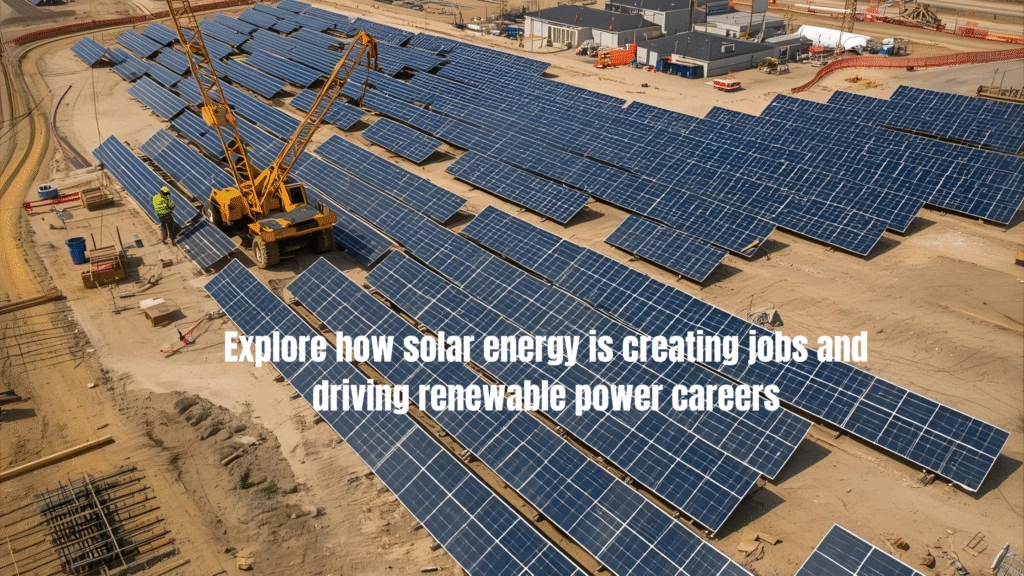
The Solar Job Surge is Here. Are You Ready?
You see them on rooftops and in massive fields, turning sunlight into power. But solar panels are doing more than just generating electricity. They are generating paychecks. A quiet revolution is reshaping the global job market, and it is powered by the sun. The solar industry is not just growing. It is exploding, creating careers at a pace that dwarfs the rest of the economy. This is not a future promise. It is happening right now.
This article shows you how solar energy is creating a wave of employment opportunities. You will learn which high-demand jobs are available, what they pay, and the skills you need to secure your place in the renewable energy workforce.
Why Solar Jobs Are Outpacing Every Other Sector
Global commitments to clean energy are driving unprecedented investment. Governments and corporations are setting ambitious decarbonization goals. This policy support, combined with the plummeting cost of solar technology, fuels a constant demand for a skilled workforce. The energy transition is not a abstract concept. It is a physical build-out requiring human hands and expertise.
The numbers tell a compelling story.
| Sector | Projected Growth Rate | Key Driver |
|---|---|---|
| Solar Photovoltaic Installers | 22% (Much faster than average) | Residential and commercial demand |
| Wind Turbine Technicians | 44% (Much faster than average) | Offshore wind expansion |
| Total U.S. Economy | 3% (Average) | General economic growth |
This growth is resilient. Economic downturns and global events can disrupt many industries, but the fundamental drivers for solar remain strong. Energy security and cost stability are now top priorities for nations and homeowners alike.
The Spectrum of Solar Careers: From Rooftops to Research Labs
When you think of a solar job, you might picture an installer on a roof. That is a critical role, but it is only one part of a vast ecosystem. The industry needs a diverse range of talents.
Hands-On Field and Installation Roles
These roles form the backbone of the industry, building and maintaining solar assets.
- Solar Photovoltaic Installers: They assemble, install, and maintain rooftop and ground-mounted systems. This role often serves as a gateway into the industry.
- Solar Project Managers: They oversee installation projects from start to finish, managing timelines, budgets, and crews.
- PV System Inspectors: They ensure installations meet complex electrical and building codes.
Technical and Engineering Positions
These professionals design, optimize, and improve solar technology.
- Solar Design Engineers: They create the blueprints for solar array systems, maximizing energy production for a specific site.
- Solar Energy Engineers: They focus on the broader systems, including the integration of energy storage and grid connectivity.
- PV Performance Analysts: They monitor system data to identify and troubleshoot underperformance.
Sales, Finance, and Support Functions
No industry can thrive without business expertise.
- Solar Sales Consultants: They educate homeowners and businesses on the financial and environmental benefits of going solar.
- Solar Financing Specialists: They develop and manage loan programs, leases, and power purchase agreements.
- Policy Analysts: They work with governments to shape the regulations and incentives that support industry growth.
What You Can Earn: Solar Job Salary Expectations
Solar careers provide competitive wages that often exceed national averages for similar skill levels. Experience, certification, and geographic location significantly influence pay.
Here is a breakdown of typical salary ranges for key positions.
| Job Title | Median Annual Salary | Notes |
|---|---|---|
| Solar PV Installer | $47,000 – $60,000 | With overtime and bonuses, total compensation can be higher. |
| Solar Project Manager | $75,000 – $95,000 | Salary increases with project size and complexity. |
| Solar Design Engineer | $70,000 – $90,000 | Requires a bachelor’s degree in engineering. |
| Solar Sales Consultant | $60,000 + Commission | Top performers often earn over $100,000. |
How to Start Your Career in Solar Power
You do not always need a four-year degree to break into this field. The solar industry values practical skills and proven competence.
Follow these steps to position yourself for a solar job.
- Get Certified: Obtain industry-recognized credentials like the NABCEP PV Associate credential or an installer certification. This validates your knowledge to employers.
- Gain Practical Experience: Look for entry-level positions or apprenticeship programs with local solar companies. Hands-on experience is invaluable.
- Develop Core Skills: Focus on electrical theory, construction safety, and basic math. Soft skills like customer service and problem-solving are equally important.
- Network: Attend industry trade shows and join professional groups online. Connections often lead to job opportunities.
Many community colleges now offer certificate programs in solar technology, providing a direct pathway to a career in less than a year.
The Future of Solar Employment
Solar job growth shows no signs of slowing. Emerging technologies like agrivoltaics, which combines agriculture with solar farms, and floating solar on reservoirs are creating new niches. The integration of battery storage systems with solar installations is becoming standard, demanding a new subset of skills for installers and engineers.
The International Renewable Energy Agency projects solar jobs could reach over 20 million globally by 2030. This is not a temporary boom but a fundamental restructuring of the energy economy.
Frequently Asked Questions
What is the fastest-growing job in solar energy?
Solar photovoltaic installer is consistently ranked among the fastest-growing jobs. Demand for technicians to build and maintain systems drives this rapid growth.
Do you need an engineering degree to work in solar?
No. While engineers are essential, many high-paying roles like installers, electricians, and sales consultants do not require a four-year engineering degree. Certifications and hands-on training are often sufficient.
Are solar jobs stable?
Yes. The long-term global shift to clean energy, backed by government policy and corporate investment, provides a strong foundation for job stability in the solar industry. The skills are also transferable to other renewable sectors.
Where are most solar jobs located?
Jobs are concentrated in states with strong solar markets like California, Texas, and Florida. However, as solar adoption spreads nationally, opportunities are becoming available in every state.
The solar energy revolution needs a workforce. It needs project managers, installers, engineers, and analysts. It needs you. The path to a rewarding career in renewable power is clearer than ever. The question is, will you take the first step?
Learn more about the specific training required for a career as a solar installer. Explore the financial benefits of switching your home to solar power and how it contributes to job creation.