Solar panels can deliver exceptional performance for 25–30 years—but only if properly maintained. Dirt, shading, weather changes, wiring faults, and poor monitoring can quietly reduce your system output by 10%–40% without you noticing.
This comprehensive guide explains how to maintain solar panels for maximum output, the recommended maintenance schedule, mistakes homeowners make, and how to protect your investment from long-term performance loss.
Why Solar Panel Maintenance Matters
Solar systems are often described as “low-maintenance,” but low-maintenance does NOT mean “no maintenance.” Even small issues have measurable impact. For example:
- Dust buildup can cut output by 15%
- Bird droppings can reduce efficiency by up to 30%
- Loose wiring causes intermittent power loss
- Unnoticed shading leads to long-term degradation
- Inverter faults can shut down the entire system
Maintaining your panels ensures:
- Higher daily and yearly energy generation
- Longer lifespan of panels, inverters, and batteries
- Lower risk of expensive repairs
- Higher reliability during grid outages
- Better ROI within the expected payback period
Types of Maintenance Your Solar System Needs
Solar system maintenance falls into three broad categories:
- Cleaning Maintenance
Removing dust, leaves, pollen, and debris from panel surfaces.
- Electrical Maintenance
Monitoring wiring, connectors, breakers, fuses, and inverter performance.
- Structural & Environmental Maintenance
Checking roof mounts, corrosion, shading, and weather damage.
A well-maintained system should retain at least 90–95% of its rated output each year.
How Often Should You Maintain Your Solar Panels?
Below is a simple maintenance schedule suitable for homes and small businesses:
| Maintenance Activity | Recommended Frequency |
| Panel surface cleaning | Every 3–4 months |
| Inverter inspection | Monthly |
| Wiring check | Every 6 months |
| Mounting hardware inspection | Twice yearly |
| Performance monitoring | Weekly |
| Professional system audit | Once yearly |
If you live in a dusty or coastal environment, increase cleaning to every 2 months.
Step-by-Step: How to Maintain Solar Panels for Maximum Output
The following steps cover everything a homeowner or solar system operator should do regularly.
- Clean the Solar Panels Properly
Dirty panels are the most common cause of lost power.
What causes panel dirt buildup?
- Dust and sand
- Bird droppings
- Leaves
- Pollen
- Soot
- Air pollution
- Harmattan or dry-season dust (for African regions)
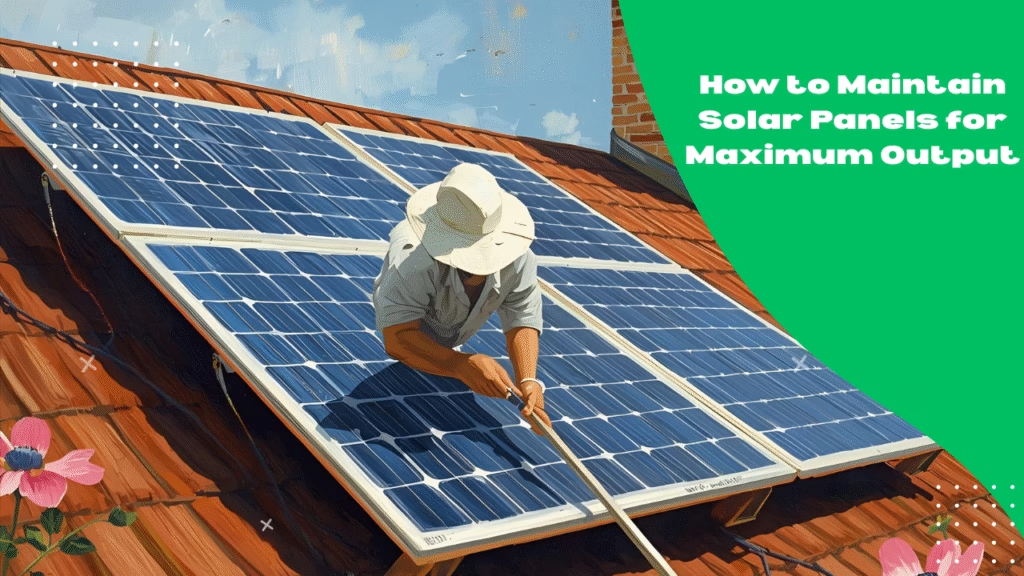
How to clean your panels safely
- Use clean water and a soft brush
- Avoid abrasive materials
- Clean early in the morning before heat builds up
- Avoid cleaning during peak sunlight
- Do NOT use detergents unless approved by your installer
When to call a professional
- Panels are mounted on a high roof
- Severe bird nesting or droppings
- Streaks appear after cleaning
Well-cleaned panels can instantly restore 5–15% of lost performance.
- Inspect the Inverter System
The inverter is the “brain” of your solar system. If it fails, your entire generation stops.
What to check:
- Indicator lights (red, green, orange)
- Error codes
- AC output voltage
- Battery charging status (for hybrid/off-grid systems)
A healthy inverter should show:
- Stable green light
- No error messages
- Normal voltage readings
If you notice frequent inverter resets or shutdowns, contact a solar technician.
- Monitor System Output Regularly
Performance monitoring helps you catch issues early.
How to monitor your solar system
- Use your inverter’s app (if available)
- Track daily/weekly production
- Check for sudden dips in output
Signs of performance problems:
- Output drop of more than 20%
- Sudden power fluctuations
- Battery not charging fully
- Inverter alarm notifications
Early detection prevents long-term damage.
- Check for Shading and Obstructions
Shading reduces panel output drastically—even partial shading.
Common shading sources include:
- Growing trees
- New buildings
- Rooftop structures
- Water tanks
- Bird nests
If sunlight is blocked even slightly, output falls because panels work in strings. Removing shading can improve power by 10–30% instantly.
- Inspect Cables, Connectors, and Junction Boxes
Loose or corroded wires are dangerous.
What to look for:
- Exposed copper
- Melted insulation
- Rodent damage
- Loose MC4 connectors
- Corroded terminals
Why this matters
Damaged wiring can cause:
- Power loss
- Fire hazards
- Reverse current faults
- Poor battery charging
If you are not trained, leave electrical inspection to a certified technician.
- Check Mounting Hardware and Structure
A solar panel is only as good as the structure holding it.
Structural issues to inspect:
- Loose bolts
- Rust or corrosion
- Roof leaks
- Cracks on mounting rails
- Panel misalignment
Windstorms or heavy rainfall can shift panels out of position. Proper mounting prevents future hazards.
- Document and Log All Issues
Keep a simple maintenance log:
- Cleaning date
- Noticed errors
- Output readings
- Repairs carried out
- Technician visits
This record helps diagnose long-term performance trends.
Common Solar Maintenance Mistakes to Avoid
Avoid the following errors to protect your system:
- Using harsh chemicals
Detergents or acid-based cleaners can damage the glass coating.
- Cleaning during hot weather
Cold water on hot panels can crack the glass.
- Ignoring small performance drops
Minor issues quickly escalate into major failures.
- Allowing trees to grow unchecked
Shading spreads as branches expand.
- DIY electrical repairs
Unauthorized tampering voids warranties.
- Not updating inverter firmware
Modern inverters require periodic software updates.
How Weather Conditions Affect Solar Panel Maintenance
Different environments require different care:
Dry/Dusty Regions
- Clean panels more frequently
- Install anti-dust coatings if available
Coastal Areas
- Watch for corrosion
- Apply marine-grade protective layers
Tropical Regions
- Check wiring for moisture
- Trim fast-growing vegetation
Cold Regions
- Remove snow gently
- Avoid scraping panels
Understanding your environment helps maximize output year-round.
Recommended Professional Maintenance Services
A full professional audit usually includes:
- System performance benchmarking
- Thermal imaging to detect hot spots
- Wiring integrity check
- Inverter diagnostics
- Structural inspection
- Battery health analysis
A yearly audit keeps your system running at peak efficiency.
How Much Does Solar Panel Maintenance Cost?
Approximate prices (may vary by region):
| Service Type | Cost Estimate |
| Basic cleaning | Low to moderate |
| Inverter check | Moderate |
| Wiring inspection | Moderate |
| Full system audit | Moderate to high |
| Panel repair/replacement | High |
Most homeowners spend modestly yearly, depending on system size and region.
Tips to Get Maximum Output From Your Solar System Daily
- Keep panels free from dust
- Track your inverter data weekly
- Avoid oversized loads during cloudy hours
- Maintain battery health (for hybrid systems)
- Turn off unnecessary daytime appliances
- Schedule professional servicing annually
Small habits lead to significant long-term performance gains.
Frequently Asked Questions (FAQs)
- How often should I clean my solar panels?
Every 3–4 months, or more frequently in dusty areas.
- Does rain clean solar panels completely?
Rain helps, but it does NOT remove stubborn dirt or bird droppings.
- Can dirty solar panels reduce output significantly?
Yes. Dirt can cut efficiency by 10–40% depending on severity.
- Do solar panels need professional maintenance?
Yes. At least once per year for a full system audit.
- How do I know my solar panels need cleaning?
A noticeable drop in output usually indicates dirt buildup.
- Can I use pressure washers?
No. High pressure can damage the glass and seals.
- What are the signs of inverter problems?
Red lights, error codes, or sudden power drops.
Conclusion
Solar panels deliver the best results when properly maintained. With consistent cleaning, regular inspection, and proactive monitoring, you can boost output, extend equipment life, and avoid unexpected failures.
If you follow the steps in this guide, your solar system should maintain 90–100% optimal performance year after year.