The demand for solar installer jobs in Nigeria has increased significantly over the past few years. What used to be a niche technical skill is now one of the fastest-growing career paths in the country’s renewable energy sector.
As grid instability continues and diesel prices remain unpredictable, more homes, offices, estates, schools, and factories are investing in solar power systems. Behind every successful installation is a trained solar installer. This growing demand has opened thousands of employment and business opportunities across Lagos, Abuja, Port Harcourt, Kano, Enugu, Owerri, and other major cities.
If you are considering becoming a solar installer in Nigeria in 2026, this guide explains everything you need to know. You will learn what the job involves, the qualifications required, realistic salary expectations, available training options, and how to successfully apply for solar technician positions.
Understanding the Role of a Solar Installer in Nigeria
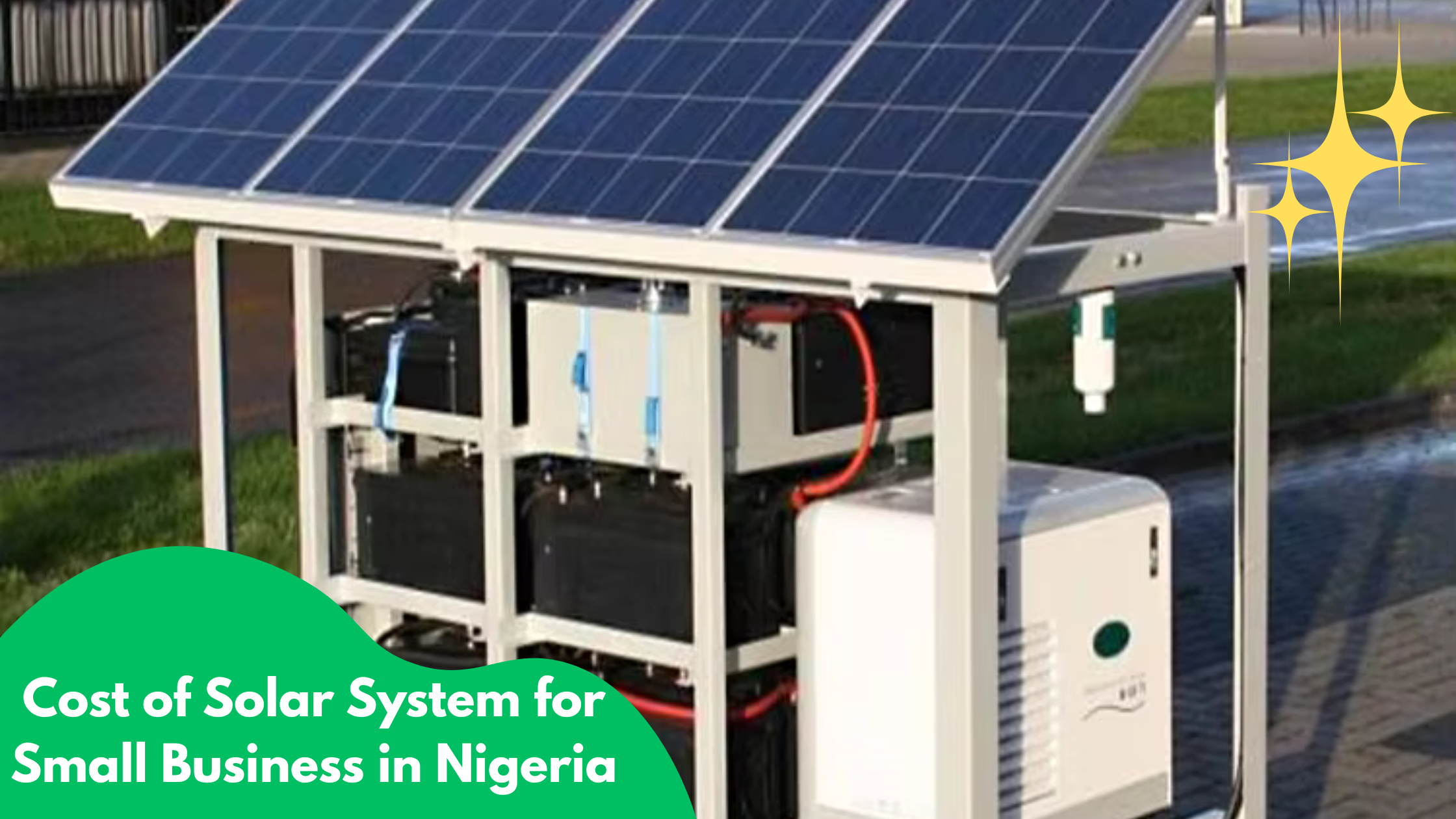
A solar installer, also referred to as a solar technician or PV installer, is responsible for installing, configuring, testing, and maintaining solar energy systems. In Nigeria, most systems are hybrid installations that combine solar panels, lithium batteries or tubular batteries, hybrid inverters, and grid or generator backup.
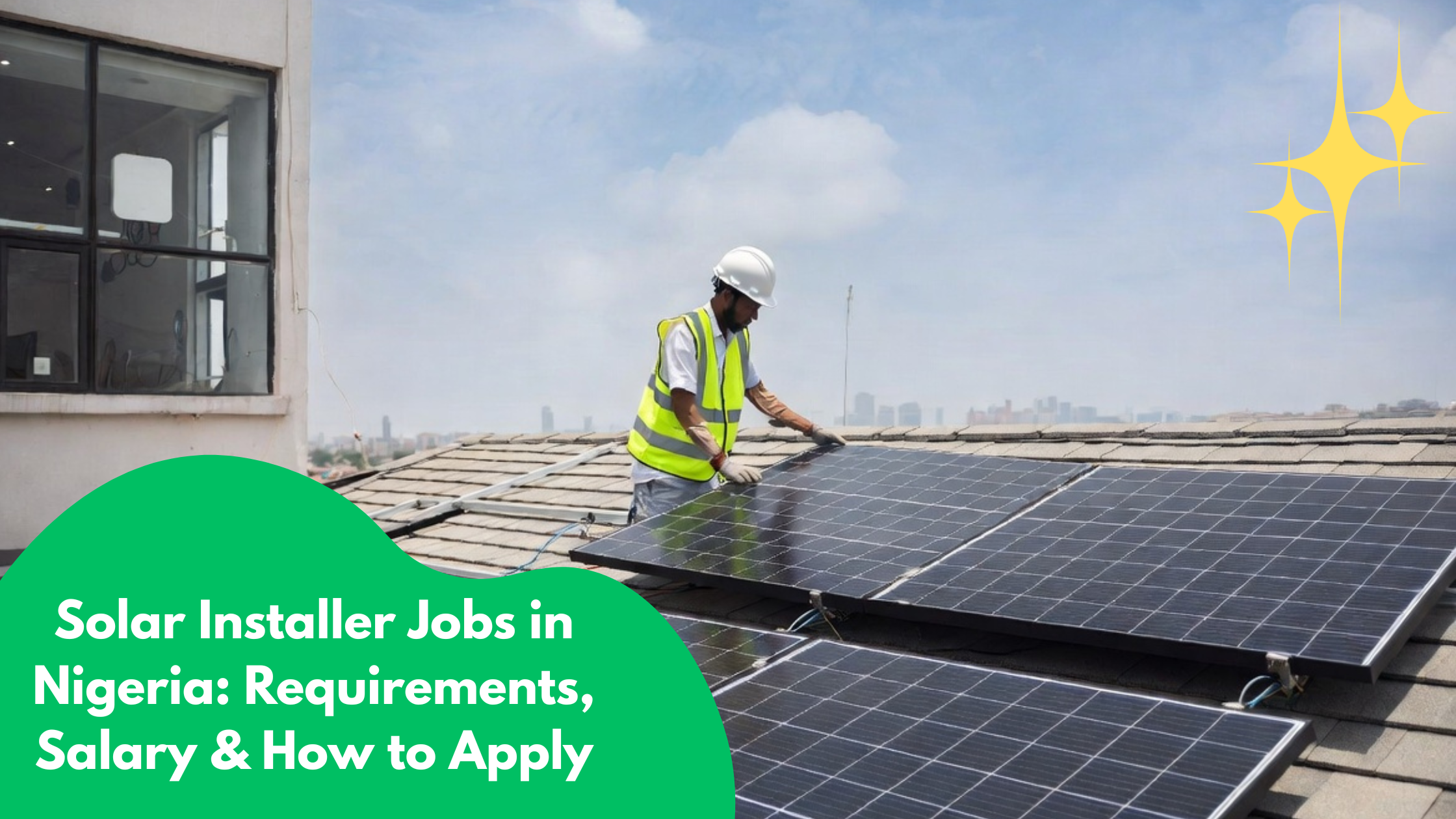
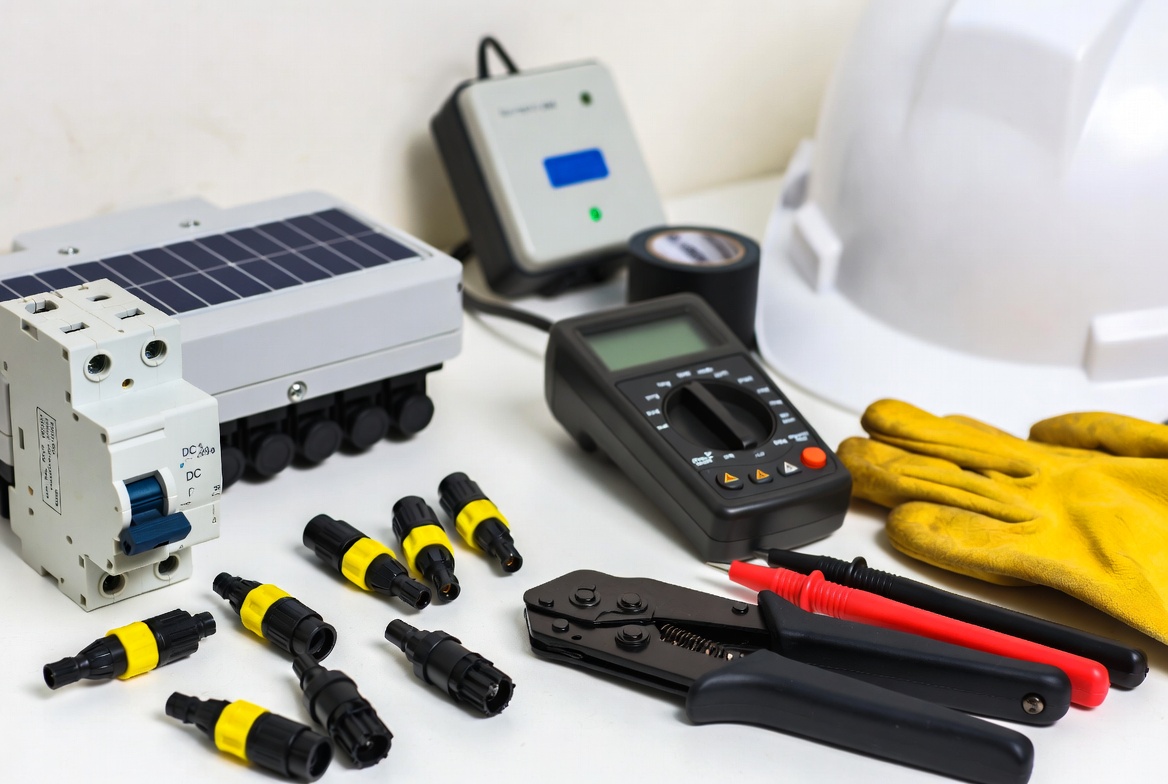
The work typically involves mounting solar panels on rooftops or ground structures, installing battery banks, connecting DC and AC cables, configuring inverters, setting protection devices such as surge arrestors and circuit breakers, and testing system performance to ensure safety and efficiency.
Unlike purely academic engineering roles, solar installation in Nigeria is largely skill-based. Practical knowledge and hands-on competence often matter more than university degrees, especially for entry-level roles.
Why Solar Installer Jobs Are Growing Rapidly in Nigeria
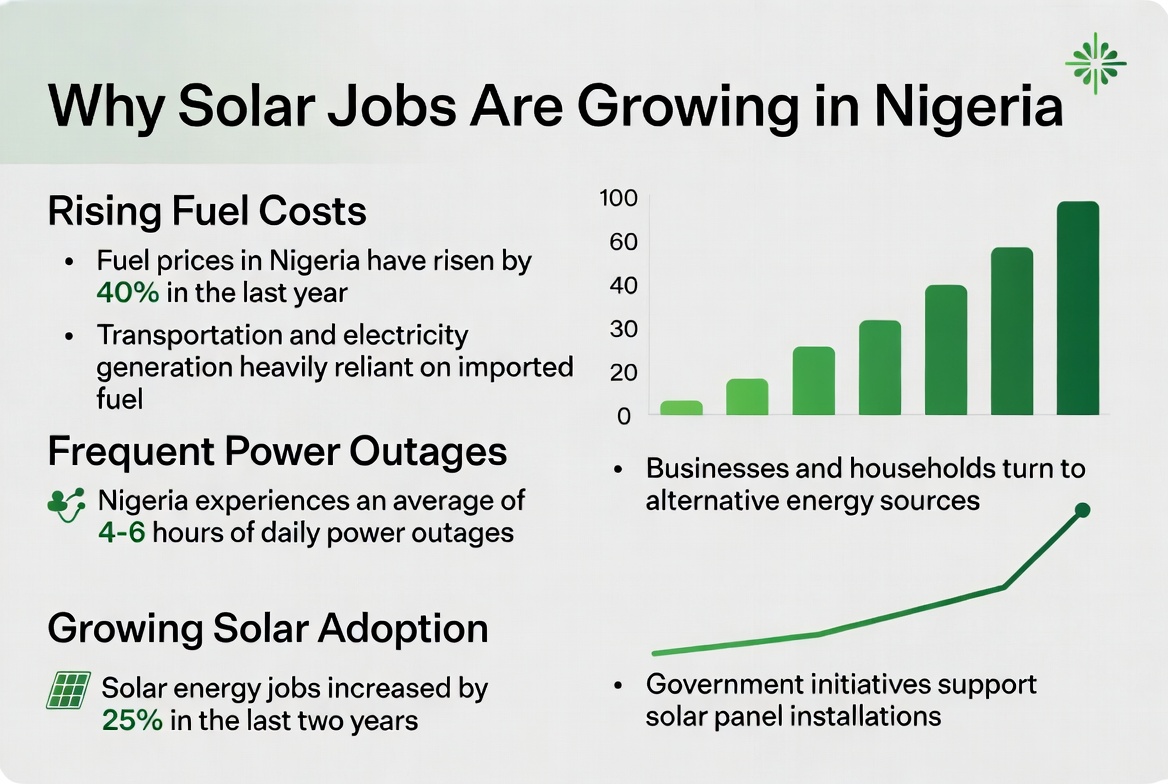
Nigeria’s renewable energy sector is expanding for several reasons. Persistent power outages have pushed both households and businesses to seek reliable alternatives. Rising fuel costs have made generator dependence expensive. Government-backed rural electrification projects and mini-grid initiatives have also increased the need for trained installers.
Commercial buildings, small and medium enterprises, and high-net-worth residential homes are investing heavily in hybrid inverter systems with lithium batteries. Solar farms and institutional projects are also increasing. All of these developments require technicians who can install and maintain systems properly.
The renewable energy sector is projected to continue growing steadily through 2030. This means solar installer jobs in Nigeria are not temporary opportunities but part of a long-term industry shift.
Educational and Skill Requirements for Solar Installer Jobs
One of the advantages of pursuing a solar installation career is accessibility. A university degree is not mandatory for entry-level roles. However, certain educational backgrounds provide a competitive advantage.
A Senior Secondary School Certificate is usually the minimum requirement. Candidates with OND or HND in Electrical Engineering, Electrical Electronics, or related technical fields are preferred. A Bachelor’s degree in Electrical Engineering is beneficial for higher-level engineering roles but not compulsory for technician positions.
More important than academic credentials is technical competence. Employers look for individuals who understand electrical wiring, DC cable sizing, inverter configuration, battery management systems, earthing techniques, and protection device installation. Familiarity with hybrid inverters and lithium battery systems significantly increases employability.
Physical fitness and safety awareness are also important. Solar installation work involves climbing rooftops, lifting panels, and working under high temperatures. Safety compliance and attention to detail are critical to avoid electrical hazards.
Solar Installer Salary in Nigeria (2026 Estimates)
Salary expectations vary depending on experience level, location, company size, and technical expertise. Entry-level trainees typically earn between ₦60,000 and ₦100,000 monthly. Junior technicians with some field experience can earn between ₦100,000 and ₦180,000 per month.
Mid-level solar installers usually earn between ₦180,000 and ₦350,000 monthly. Senior technicians with strong hybrid system experience may earn between ₦350,000 and ₦500,000 per month.
For higher-level roles, solar engineers earn between ₦450,000 and ₦900,000 monthly depending on project scale. Project supervisors may earn up to ₦1.2 million per month, while solar farm operations and maintenance engineers can earn between ₦600,000 and ₦1.5 million monthly.
Freelance solar installers who work on contract often earn more per project. A single residential 5kVA hybrid installation can generate significant profit margins depending on expertise and efficiency.
Cost of Solar Installation Training in Nigeria
Training is one of the most important investments for anyone entering the solar industry. Structured solar training programs in Nigeria typically cover system sizing, load calculation, panel mounting, inverter setup, battery configuration, cable sizing, protection systems, and troubleshooting.
Training duration ranges from two weeks for intensive programs to three months for advanced PV design courses. Basic solar installation training typically costs between ₦150,000 and ₦300,000. Advanced hybrid system and lithium battery courses may cost between ₦250,000 and ₦600,000 depending on the institute and location.
While some individuals attempt to learn informally through apprenticeships, structured training improves credibility and technical confidence.
Certifications That Increase Job Opportunities
Professional certification improves employment prospects significantly. Employers prefer candidates who have completed recognized solar PV installation courses. Electrical trade test certification also adds value.
Health and safety training is increasingly important, particularly for installers working on commercial projects. While international certifications are respected, locally recognized solar installation certificates are generally sufficient for most Nigerian employers.
Where to Find Solar Installer Jobs in Nigeria
Job opportunities are available through multiple channels. Online job portals such as Jobberman, LinkedIn, and MyJobMag frequently list solar technician openings. However, many solar companies recruit through direct applications and referrals rather than public advertisements.
Networking plays a major role in securing solar jobs. Industry connections, referrals from training institutes, and participation in renewable energy communities often lead to employment opportunities. Some companies prefer walk-in applications, especially for technical roles.
How to Apply Successfully for Solar Installer Jobs
To stand out in the competitive job market, your CV must highlight practical experience. Instead of vague descriptions, clearly state the system capacities you have installed, such as 3kVA, 5kVA, or 10kVA hybrid inverter systems. Mention battery types used, including lithium or tubular batteries.
If possible, include a portfolio of installation photos showing neat cable management, panel mounting, and inverter configuration. Visual proof of previous work increases credibility.
During interviews, employers may test your technical understanding by asking about load calculation methods, cable sizing decisions, battery management strategies, or inverter fault troubleshooting. Preparing thoroughly for these questions significantly improves success rates.
Career Growth Path in the Solar Industry
A solar installer can progress into higher-level technical or managerial roles. With experience and additional training, one can become a senior technician, project supervisor, PV system designer, or solar engineer. Some professionals eventually start their own solar installation businesses, which can be highly profitable if managed correctly.
The solar industry also offers opportunities in operations and maintenance for large solar farms. These roles often require deeper technical knowledge but provide strong income potential.
Frequently Asked Questions (FAQ)
Is solar installation a good career in Nigeria?
Yes. The demand for reliable electricity alternatives ensures continuous growth in the solar sector. Solar installation provides stable employment opportunities and long-term career prospects.
How long does it take to become a solar installer?
With structured training, basic competence can be achieved within one to three months. However, practical field experience continues to improve skill level over time.
Can I become a solar installer without an engineering degree?
Yes. Practical skills and training matter more than university degrees for technician-level roles.
Which cities have the most solar job opportunities?
Lagos, Abuja, Port Harcourt, Kano, Enugu, and major commercial hubs have the highest demand.
How much can a freelance solar installer earn?
Freelance income varies per project. Skilled installers working independently can earn significantly more than salaried technicians depending on project volume.
Final Thoughts
Solar installer jobs in Nigeria represent one of the most promising technical career paths in 2026. With the country’s growing demand for hybrid inverter systems and lithium battery installations, skilled technicians are increasingly valuable.
The barrier to entry is relatively low compared to many professions, yet the income potential is strong. By acquiring proper training, gaining practical experience, and building a professional network, you can secure employment or even establish your own solar installation business.
The renewable energy sector in Nigeria is expanding steadily. Those who position themselves early with the right skills and certifications will benefit the most from this industry growth.