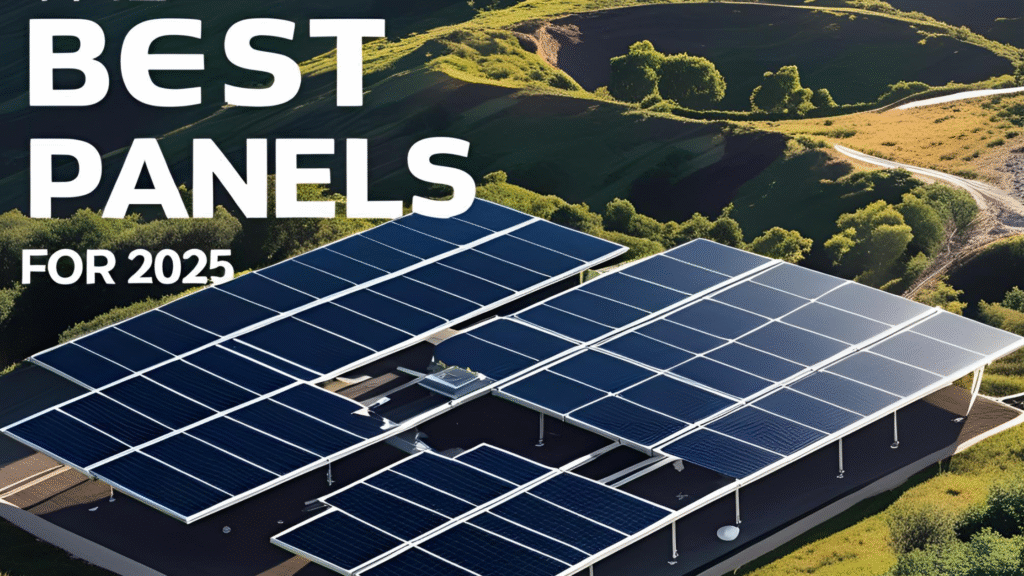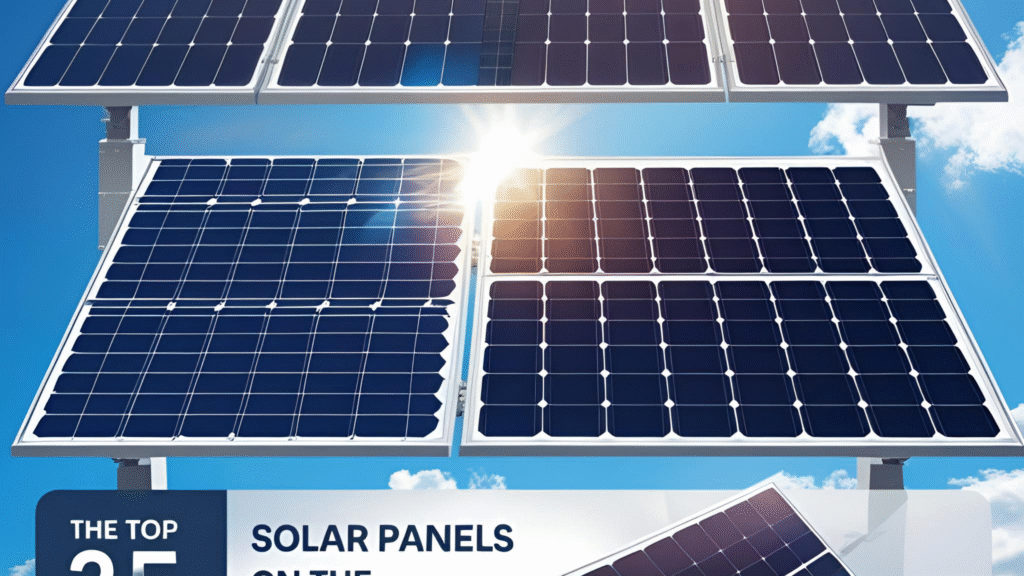
For Nigerian households, solar power can reduce dependence on the grid and petrol or diesel generators. One common question homeowners ask is:
“How many solar panels do I need for a 3-bedroom house?”
The answer depends on actual electricity consumption, appliances, backup requirements, local solar conditions, roof space, panel efficiency and future energy needs—not simply the number of bedrooms.
This Nigeria-focused guide, updated 11 November 2026, explains how to estimate the right solar system size, understand installation costs, compare panel options, and determine whether solar is worth the investment for your home in 2026.
Average Solar Panel Requirement for a 3 Bedroom House
Household electricity use varies widely; do not assume every three-bedroom home consumes the same amount. A load assessment is essential. Many households may fall outside the illustrative range of 600 and 1,000 kWh of electricity per month, depending on:
- Number of occupants
- Heating and cooling systems
- Electric appliances
- Lifestyle and energy habits
- Geographic location
For most households, a 6 kW to 8 kW solar system provides enough electricity to offset a significant portion of annual energy usage.
| System Size | Approximate Number of 400W Panels |
|---|---|
| 5 kW | 13 Panels |
| 6 kW | 15 Panels |
| 7 kW | 18 Panels |
| 8 kW | 20 Panels |
There is no universal panel count for a three-bedroom home. Calculate the required array from daily energy use, local solar resource, panel wattage and system losses.
How Is the Number of Solar Panels Calculated?
Solar installers consider several factors before recommending a system.
Monthly Electricity Consumption
Your electricity bill is the most important factor.
For example:
| Monthly Usage | Recommended System |
|---|---|
| 600 kWh | 5–6 kW |
| 800 kWh | 6–7 kW |
| 1,000 kWh | 8–9 kW |
Higher energy usage requires a larger solar system.
Solar Panel Wattage
Modern residential solar panels typically range between 350W and 450W.
Higher-wattage panels produce more electricity, reducing the total number of panels needed.
Example:
- 400W panels require fewer roof spaces than 350W panels.
Sunlight Hours
Homes in sunny regions generate more electricity from the same number of panels.
Solar output varies by location and season across Nigeria. Your installer should use local solar-resource data and account for rainy-season conditions when designing the system.
Roof Orientation
In Nigeria, which is north of the equator, roof orientation and tilt should be selected for the site’s latitude and shading conditions; a qualified installer should assess the roof rather than applying a generic rule.
East- and west-facing roofs can also perform well but may require a slightly larger system.
Roof Shading
Trees, neighboring buildings, and chimneys can reduce panel efficiency.
If your roof receives partial shade, your installer may recommend:
- Microinverters
- Power optimizers
- Additional panels
Also Read: Solar Panel Installation Cost for a 2000 Sq Ft House (2026)
Typical Electricity Usage in a 3 Bedroom Home
Average energy consumption varies depending on the appliances you use.
| Appliance | Estimated Monthly Usage |
|---|---|
| Refrigerator | 40–70 kWh |
| Air Conditioner | 150–400 kWh |
| Washing Machine | 15–30 kWh |
| Dishwasher | 20–35 kWh |
| Lighting | 30–70 kWh |
| Television & Electronics | 40–80 kWh |
In Nigeria, households operating air conditioners, water pumps, freezers, electric cookers or water heaters may require larger solar systems.
Solar Installation Cost in Nigeria (November 2026): Published Prices
Solar installation prices in Nigeria cover the panels, inverter, battery, mounting, wiring, protection equipment and installation labour. The figures below are published Nigerian installed-system price ranges from an October 2026 market guide. System ratings refer to inverter kVA, with battery storage stated separately.
| System Configuration | Published Installed Price Range (₦) |
|---|---|
| 3.5kVA inverter + 5kWh lithium battery | ₦3,750,000–₦6,900,000 |
| 5kVA inverter + 10kWh lithium battery | ₦4,650,000–₦8,500,000 |
| 8–10kVA inverter + 15kWh lithium battery | ₦8,250,000–₦15,200,000 |
| 15–20kVA inverter + 20–30kWh battery | ₦17,700,000–₦31,600,000 |
The price ranges above were published by SolarBuilders.ng in its October 2026 Nigerian solar market price guide. They cover the inverter, lithium batteries, solar panels, mounting, protection and installation. For example, the 5kVA configuration includes 10kWh of lithium storage, while the 8–10kVA configuration includes 15kWh. These are prices published for specified system classes, not dollar conversions. Actual sellers may list different amounts for other brands and battery capacities.
A complete quotation generally includes:
- Solar panels
- Inverter
- Mounting hardware
- Wiring
- Permits
- Installation labor
- System testing
Can Solar Power a 3 Bedroom House Completely?
Yes, in many cases.
A properly sized solar system can generate enough electricity to cover most or all of your annual energy needs.
However, actual performance depends on:
- Local weather
- Seasonal sunlight
- Roof orientation
- Household electricity usage
- Utility policies
Households may still need grid electricity or generator backup during prolonged cloudy or rainy periods, unusually high demand, or when the solar and battery system is not sized to cover every load.
Should You Install a Battery?
Adding battery storage allows you to store unused solar energy for later use.
Benefits include:
- Backup power during outages
- Lower peak electricity costs
- Greater energy independence
- Better use of solar energy
For Nigerian home installations, ask suppliers about LiFePO4 batteries from brands with established Nigerian distribution and warranty support. Examples to compare include:
- Felicity Solar lithium batteries
- Dyness lithium batteries
- Growatt lithium batteries
- Deye-compatible lithium batteries
- BYD Battery-Box where locally supported
Although batteries increase upfront costs, many homeowners find the additional flexibility worthwhile.
Choosing the Right Solar Panels
When comparing panels, consider:
Efficiency
Higher-efficiency panels generate more electricity using less roof space.
Premium panels often exceed 22% efficiency.
Warranty
Choose products offering:
- 25-year performance warranty
- Product warranty
- Reliable manufacturer support
Durability
Panels should withstand:
- Heavy rain
- Heavy humidity and rainfall
- High winds
- Extreme temperatures
- Hail
Quality panels continue producing electricity for 25–30 years or longer.
Common Mistakes to Avoid
Focusing Only on Home Size
A larger house doesn’t always use more electricity.
Always size your system based on actual energy consumption rather than square footage.
Buying the Cheapest Equipment
Lower-cost panels may offer:
- Lower efficiency
- Shorter warranties
- Reduced long-term performance
Investing in quality equipment often provides better lifetime value.
Ignoring Future Energy Needs
Planning to add air conditioners, a borehole pump, extra freezers or an electric cooker?
Consider those future electricity demands when sizing your solar system.
Overlooking Roof Condition
If your roof requires replacement within a few years, complete the roofing work before installing solar panels.
How Much Money Can Solar Save?
Savings depend on:
- Electricity rates
- System size
- Utility incentives
- Solar production
- Local climate
Payback depends on the installed system cost, avoided grid and generator expenses, system performance, battery replacement costs and maintenance. Do not rely on a fixed payback period without a household-specific calculation.
Maintenance Requirements
Solar panels require very little maintenance.
To keep your system operating efficiently:
- Clean panels when necessary.
- Monitor production using the inverter’s app.
- Schedule occasional professional inspections.
- Keep nearby trees trimmed to reduce shading.
Most systems operate reliably with minimal upkeep.
Is Solar Worth It for a 3 Bedroom House?
For many homeowners, the answer is yes.
Benefits include:
- Lower electricity bills
- Reduced dependence on the grid
- Increased home value
- Lower carbon emissions
- Long-term financial savings
As electricity prices continue to rise, residential solar remains one of the most valuable home improvements available.
Frequently Asked Questions (FAQs)
How many solar panels does a 3-bedroom house need?
Most homes require 15–20 solar panels, depending on electricity usage, panel wattage, and local sunlight conditions.
Is a 6 kW solar system enough?
For many average-sized households, a 6 kW system provides sufficient electricity. Homes with higher energy usage may require a larger installation.
Can solar panels eliminate my electricity bill?
A properly sized system can significantly reduce or, in some cases, nearly eliminate annual electricity costs. Actual savings depend on usage and local utility policies.
Should I add a battery to my solar system?
If you want backup power, greater energy independence, or protection during outages, a home battery can be an excellent addition.
How long do residential solar panels last?
Most premium solar panels continue producing electricity for 25–30 years and are backed by long-term performance warranties.
Final Verdict
A 3-bedroom house in Nigeria may use 15–20 high-efficiency solar panels, depending on electricity consumption and local sunlight conditions.
The best way to determine the right system size is to review your electricity meter readings and daily appliance loads, then calculate the required PV kWp, inverter capacity and usable battery kWh. Check the manufacturer’s electrical specifications before purchasing. Choosing quality panels, a reliable inverter, and the right system capacity will help maximize your energy savings and long-term return on investment.
Conclusion
Solar energy has become an increasingly practical solution for homeowners looking to reduce electricity costs and improve energy independence. For most three-bedroom homes, a well-designed 6–8 kW solar system offers an excellent balance between installation cost and long-term savings.
Before making a decision:
- Review your electricity bills.
- Compare multiple installer quotes.
- Choose high-quality panels and inverters.
- Consider adding battery storage for backup power.
- Check applicable Nigerian regulations and utility interconnection requirements where relevant.
With proper planning, your solar investment can provide reliable clean energy and substantial savings for decades.