
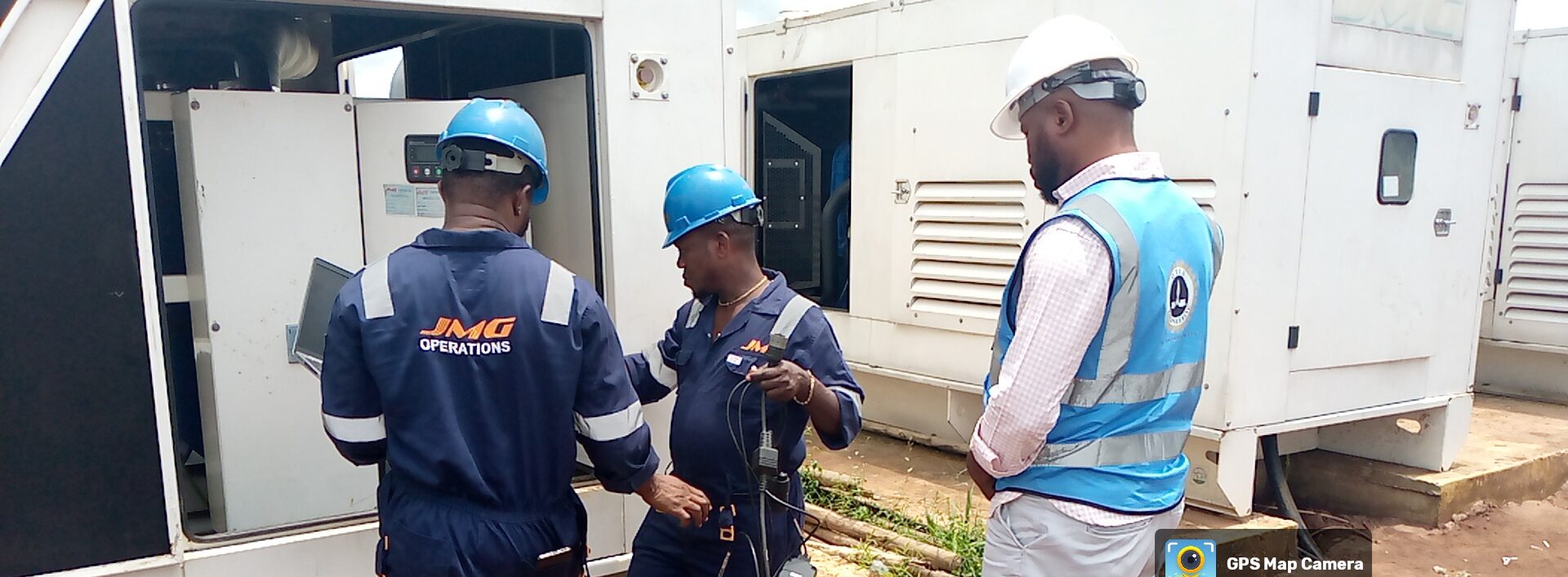
If you are applying for a Senior Renewable Energy Engineer, Senior Solar Engineer, BESS Engineer, Electrical Engineer – Renewables, or Renewable Project Engineer position, technical knowledge alone may not be enough to secure the job.
Senior renewable-energy interviews typically test three things:
- Technical competence – Can you understand and solve complex renewable-energy engineering problems?
- Project experience – Can you apply that knowledge to real solar, BESS, grid and EPC projects?
- Commercial judgement – Can you make technically sound decisions while understanding cost, risk, schedule and contractual implications?
For engineers with experience in utility-scale solar PV, battery energy storage systems (BESS), hybrid power plants and electrical infrastructure, the questions can become quite detailed.
This guide explains how to answer some of the most important technical and senior-level interview questions.
Part 1: Technical Renewable Energy Interview Questions
How do you size a BESS?
A strong answer should show that BESS sizing is not simply a matter of choosing a battery with a certain number of megawatt-hours.
I would begin by identifying the purpose of the BESS.
The required battery size depends on whether the system is intended for:
- Peak shaving
- Energy shifting
- Renewable-energy time shifting
- Solar smoothing
- Frequency regulation
- Voltage support
- Grid support
- Backup power
- Black start
- Microgrid operation
- Reducing diesel generator operation
- Arbitrage
- Increasing renewable-energy utilisation
The first step is therefore to establish the required power rating (MW) and energy capacity (MWh).
Basic relationship
The theoretical energy requirement can be expressed as:
Energy Capacity (MWh) = Required Power (MW) × Required Duration (hours)
For example, if a system needs to provide 5 MW for 4 hours:
5 MW × 4 hours = 20 MWh
However, the battery should not normally be designed to operate continuously from 100% state of charge to 0% state of charge.
Therefore, I would consider:
- Usable state-of-charge window
- Depth of discharge
- Round-trip efficiency
- Battery degradation
- Temperature
- Auxiliary consumption
- Expected end-of-life capacity
- Required reserve margin
- PCS efficiency
- Maximum charge/discharge power
- C-rate
- Expected operating profile
A simplified design relationship can therefore be expressed as:
Required Installed Energy ≈ Required Usable Energy ÷ (Usable SOC Fraction × Efficiency × Allowance for Degradation)
For a utility-scale project, I would also assess the battery’s performance at beginning of life and end of life, because a battery that meets the requirement when new may not provide the same usable energy several years later.
Interview point
A strong senior-level answer is:
“I would size the BESS based on the required operational service rather than starting with an arbitrary MWh value. I would establish the required MW, duration, SOC operating window, efficiency, degradation, auxiliary loads and end-of-life performance before determining the final installed capacity.”
How do you evaluate BESS performance?
BESS performance should be evaluated against both technical requirements and contractual performance guarantees.
Key parameters include:
- Round-trip efficiency
This measures how much energy can be recovered compared with the energy supplied to the battery.
- Available power
Can the system deliver the contracted MW output?
- Available energy
Can the battery deliver the required MWh within the specified operating conditions?
- State of charge
The BESS should accurately measure and control its SOC.
- Response time
For grid-support applications, the speed at which the battery responds to a power command can be critical.
- Availability
The battery should be available for operation when required.
- Degradation
Battery capacity gradually decreases with operating cycles and time.
- Auxiliary consumption
HVAC, controls, pumps, fire protection and other auxiliary systems consume energy and should be included when evaluating system performance.
- PCS performance
The Power Conversion System should be assessed for:
- Efficiency
- Power response
- Reactive power capability
- Harmonic performance
- Grid compliance
- Fault response
- EMS performance
The Energy Management System should correctly control charging, discharging, dispatch and interaction with other generation sources.
For a project such as a solar hybrid plant, I would also assess how effectively the BESS integrates with PV generation, diesel generation, the grid and the site load.
How do you assess PV plant performance?
PV plant performance should be evaluated using several complementary indicators rather than looking only at total energy production.
Important parameters include:
- Solar irradiance
- PV energy production
- Specific yield
- Performance Ratio (PR)
- Plant availability
- Inverter availability
- Module performance
- Inverter efficiency
- Grid availability
- Curtailment
- Soiling losses
- Temperature losses
- Shading losses
- Electrical losses
- Clipping
- Auxiliary consumption
A useful parameter is specific yield:
Specific Yield = Energy Generated (kWh) ÷ Installed PV Capacity (kWp)
For example, if a 1,000 kWp plant produces 1,500,000 kWh during a particular period:
Specific Yield = 1,500,000 ÷ 1,000 = 1,500 kWh/kWp
However, energy production alone does not tell the complete story.
A plant may produce less energy because of low solar irradiation, while another plant may have poor performance despite receiving excellent irradiation.
That is why Performance Ratio is important.
What is Performance Ratio (PR)?
Performance Ratio is one of the most important indicators used to evaluate PV plant performance.
In simple terms, PR measures how effectively a solar PV plant converts the available solar resource into electrical energy compared with the theoretical output under reference conditions.
A simplified expression is:
PR = Actual Energy Yield ÷ Reference Energy Yield
The result is normally expressed as a percentage.
For example, if the calculated reference yield is 1,000 kWh/kWp and the actual yield is 800 kWh/kWp:
PR = 800 ÷ 1,000 × 100 = 80%
PR takes into account losses such as:
- Temperature
- Wiring
- Inverter conversion
- Soiling
- Mismatch
- Availability
- Transformer losses
- Other system losses
A good interview answer should also mention that PR should be interpreted in the context of the measurement methodology, weather conditions, plant configuration and contractual performance guarantee.
How do you calculate availability?
Availability measures the percentage of time that a plant or system is capable of performing its intended function.
A simple time-based formula is:
Availability (%) = Available Time ÷ Total Time × 100
For example, if a plant was technically available for 720 hours out of a possible 744 hours:
Availability = 720 ÷ 744 × 100 = 96.77%
However, utility-scale renewable projects can have more complex contractual definitions.
Availability may distinguish between:
- Planned outages
- Forced outages
- Grid outages
- Curtailment
- Equipment failures
- Weather-related conditions
- Force majeure events
Therefore, in an interview I would avoid simply giving the formula.
I would say:
“I would first establish the contractual definition of availability because the treatment of grid outages, planned maintenance, curtailment and force majeure events can materially affect the calculated KPI.”
That demonstrates senior-level understanding.
How do you evaluate BESS round-trip efficiency?
Round-trip efficiency (RTE) measures how much energy is recovered from the BESS compared with the energy supplied to it.
A simplified formula is:
RTE (%) = Energy Delivered ÷ Energy Charged × 100
For example:
- Energy charged = 1,000 kWh
- Energy discharged = 900 kWh
Therefore:
RTE = 900 ÷ 1,000 × 100 = 90%
However, the measurement boundary must be clearly defined.
For example, does the calculation include:
- Battery DC losses?
- PCS losses?
- Transformer losses?
- HVAC?
- Battery management system consumption?
- Other auxiliary loads?
For contractual testing, the engineer must use the agreed test procedure and measurement boundary.
A strong answer therefore combines the formula with an understanding of test conditions and contractual definitions.
How does grid synchronisation work?
Grid synchronisation is the process of matching a generating source to the electrical grid before connecting it.
The key parameters that need to be matched include:
Voltage
The generator voltage must be within the acceptable range.
Frequency
The generator frequency must be close to the grid frequency.
Phase sequence
The phase sequence must be correct.
Phase angle
The phase angle between the generator and grid must be within the permitted synchronisation window.
Once these parameters are within acceptable limits, the synchronising system can permit the breaker to close.
In a hybrid renewable plant, synchronisation can involve:
- PV inverters
- Battery PCS
- Diesel generators
- Transformers
- Switchgear
- Synchronisation panels
- EMS/SCADA
- Protection systems
The control system must ensure that equipment connects and disconnects in a safe and coordinated manner.
My experience on hybrid projects includes work involving HT panels, AMF panels, EMS panels and inverter/generator commissioning.
How do you coordinate protection?
Protection coordination ensures that the correct protective device operates first when a fault occurs.
The fundamental objective is:
Clear the fault as quickly as possible while disconnecting the smallest practical portion of the network.
I would start by understanding the electrical network and identifying:
- Sources
- Transformers
- Feeders
- Switchgear
- Loads
- Generator sources
- PV inverter sources
- BESS PCS
- Earthing arrangements
- Protection devices
Then I would review relevant protection settings and characteristics, including:
- Overcurrent
- Earth fault
- Short-circuit protection
- Differential protection
- Under/over-voltage
- Under/over-frequency
- Directional protection where applicable
A protection coordination study would normally consider:
- Fault levels
- Relay characteristics
- Breaker operating times
- Cable ratings
- Transformer characteristics
- Equipment withstand ratings
- Coordination margins
The goal is to achieve selectivity, sensitivity, reliability and adequate fault-clearing speed.
What happens during an earth fault?
An earth fault occurs when an energized conductor comes into contact with earth or an earthed conductive path.
The resulting fault current depends on factors such as:
- System voltage
- Earthing arrangement
- Source impedance
- Transformer impedance
- Fault impedance
- Network configuration
The protection system detects the abnormal condition and, depending on the system design, may initiate:
- Alarm
- Trip command
- Isolation of the affected feeder or equipment
- Lockout
- Fault indication to SCADA/EMS
- Investigation before restoration
The objective is to protect:
- Personnel
- Cables
- Transformers
- Switchgear
- Generators
- Inverters
- Other electrical equipment
In my current role, part of my responsibility involves diagnosing recurring network disturbances associated with earth faults and feeder instability on legacy campus distribution infrastructure.
That is an example of how a senior engineer should approach the problem: identify the fault, determine its location and cause, evaluate the protection response and recommend measures to improve network reliability.
How do you manage inverter-based generation?
Inverter-based generation behaves differently from conventional synchronous generation.
Examples include:
- Solar PV inverters
- Battery PCS
- Some modern wind turbine systems
The engineer must understand:
- Active power control
- Reactive power control
- Voltage control
- Frequency response
- Power factor
- Grid-support functions
- Fault ride-through
- Harmonic performance
- Protection
- Anti-islanding
- Grid-forming/grid-following behaviour where applicable
I would manage inverter-based generation through coordinated control between:
PV/BESS controllers → EMS → SCADA → protection → grid interface
The control strategy must also consider the operating state of the plant.
For example:
- High PV / low load
- High PV / high load
- Low PV
- BESS charging
- BESS discharging
- Diesel generation online
- Grid-connected operation
- Islanded operation where applicable
The objective is to maintain stability, reliability, power quality and efficient energy dispatch.
What is the role of EMS/SCADA?
Although EMS and SCADA are related, they have different primary functions.
SCADA
SCADA is primarily associated with:
- Monitoring
- Data acquisition
- Alarms
- Equipment status
- Trends
- Remote control
- Historical data
EMS
The Energy Management System focuses more on:
- Energy dispatch
- Generation coordination
- Battery charging/discharging
- Load management
- Grid interaction
- Operating strategies
- Optimisation
In a hybrid plant, the EMS may coordinate:
Solar PV + BESS + Diesel Generator + Grid + Loads
SCADA then provides the monitoring and control interface through which operators can observe the plant and respond to events.
My current project experience includes coordination of solar PV, inverters, energy management systems, generators and grid interconnection infrastructure.
What are the major components of electrical Balance of Plant (BOP)?
Electrical BOP refers broadly to the electrical infrastructure required to collect, convert, transform, protect and deliver the generated electricity.
Depending on the project, major components can include:
PV side
- PV modules
- DC cables
- String combiner equipment where applicable
- DC isolators
- DC protection
Generation/conversion
- PV inverters
- Battery PCS
- Battery systems
- Diesel generators where applicable
AC electrical system
- LV switchboards
- MV switchgear
- Transformers
- MV cables
- Protection relays
- Circuit breakers
- CTs and VTs
- Synchronisation panels
Grid interface
- Grid connection equipment
- Metering
- Protection
- Synchronisation equipment
- Earthing system
Control and communication
- EMS
- SCADA
- Communication networks
- Monitoring equipment
Safety
- Earthing
- Lightning protection
- Fire protection
- Emergency shutdown systems
The exact BOP configuration depends on the plant size, voltage level, grid requirements and technology.
How do you evaluate an EPC contractor?
I would evaluate an EPC contractor across several areas rather than looking only at price.
Technical capability
Review:
- Relevant project experience
- Engineering capability
- Solar/BESS experience
- Grid integration experience
- Commissioning capability
Engineering
Assess:
- Design quality
- Compliance with specifications
- Design calculations
- Protection studies
- Equipment selection
- Electrical drawings
- Interface management
Construction
Review:
- Construction methodology
- Programme
- Resources
- QA/QC
- HSE
- Subcontractor management
- Site organisation
Equipment
Assess:
- OEMs
- Equipment specifications
- Certifications
- Warranty
- Availability
- Spare parts
- Technical support
Commercial
Review:
- Price
- Exclusions
- Assumptions
- Variations
- Payment terms
- Liquidated damages
- Performance guarantees
- Warranty provisions
Track record
I would also investigate whether the contractor has successfully delivered projects of comparable scale and complexity.
The cheapest EPC proposal is not necessarily the best proposal.
The objective is to identify the solution that provides the best balance of:
technical compliance + performance + risk + schedule + cost + long-term reliability.
What would you review during technical due diligence?
Technical due diligence is essentially about identifying the technical risks that could affect the project’s cost, performance, schedule, safety or long-term viability.
For a renewable-energy project, I would review areas such as:
Site
- Site conditions
- Topography
- Accessibility
- Flooding risks
- Environmental constraints
Solar resource
- Solar resource data
- Irradiance assumptions
- Weather data
- Energy-yield assumptions
PV design
- Module technology
- Inverter selection
- DC/AC ratio
- String configuration
- Orientation and tilt
- Shading
- DC and AC losses
BESS
- Technology
- Capacity
- Usable energy
- Degradation
- RTE
- Warranty
- Thermal management
- Fire safety
- Replacement strategy
Grid connection
- Connection voltage
- Fault level
- Grid studies
- Protection
- Power quality
- Reactive power
- Grid-code requirements
Electrical BOP
- Transformers
- Switchgear
- Cables
- Earthing
- Protection
- Metering
- Grid interface
EPC
- Scope
- Programme
- Contract assumptions
- Performance guarantees
- Warranties
- Exclusions
- Contractor capability
Operations
- O&M strategy
- Spare parts
- Maintenance requirements
- Availability guarantees
- Long-term service arrangements
The objective is to identify risks before they become expensive problems.
How would you assess an OEM performance guarantee?
I would first determine exactly what the OEM has guaranteed.
A performance guarantee might relate to:
- Capacity
- Efficiency
- Availability
- Power output
- Energy throughput
- Degradation
- Response time
- Reliability
I would then examine:
- Measurement methodology
How will performance be measured?
- Measurement boundary
Where are the meters located and what losses are included?
- Test conditions
What temperature, SOC, irradiance or operating conditions apply?
- Tolerances
What performance deviation is permitted?
- Duration
Is the guarantee valid for commissioning only or throughout the contract period?
- Degradation
For batteries, what capacity is guaranteed after:
- 1 year?
- 5 years?
- 10 years?
- Remedies
What happens if the equipment fails to meet the guarantee?
Possible remedies may include:
- Financial compensation
- Repair
- Replacement
- Additional equipment
- Liquidated damages
- Exclusions
I would carefully review exclusions because these can significantly weaken an otherwise attractive guarantee.
A good engineer should therefore ask:
“What exactly is guaranteed, how is it measured, what assumptions apply, and what is the contractual remedy if the guarantee is not achieved?”
Part 2: Senior-Level and Commercial Interview Questions
Technical knowledge becomes even more important at senior level, but it is no longer enough.
The interviewer wants to know whether you can make decisions.
The STAR method is particularly useful:
S – Situation
What was happening?
T – Task
What were you responsible for?
A – Action
What did you personally do?
R – Result
What happened because of your intervention?
Tell us about a time you managed a major technical risk.
A strong example from my current experience would focus on recurring network disturbances at the FUTO project.
Situation
The project involved integrating an 8.54 MWp solar hybrid power plant into an existing university distribution network. The legacy network experienced issues including earth faults and feeder instability.
Task
As Lead Resident Engineer, my responsibility was to identify and manage electrical risks that could affect safe operation, reliability and the successful integration of the new power plant.
Action
I would explain the specific diagnostic and engineering actions I personally took, including:
- Reviewing the affected network
- Investigating recurring faults
- Assessing the behaviour of affected feeders
- Coordinating with relevant technical teams
- Reviewing protection and electrical interfaces
- Identifying causes and contributing factors
- Developing recommendations for network rehabilitation and operational improvement
Result
The key result should be stated using your actual project outcome.
Important: Do not invent a numerical improvement if you do not have verified data.
A strong interview answer should end with the actual impact, such as improved reliability, better fault understanding, reduced operational risk or a specific network improvement—provided that this is supported by your project records.
Tell us about a disagreement with an EPC contractor.
This is a very common senior-engineering interview question.
The interviewer is not necessarily interested in whether you have argued with a contractor.
They want to know whether you can:
- Stand your ground technically
- Remain professional
- Protect the client’s interests
- Use evidence
- Understand contractual requirements
- Find practical solutions
A strong answer should follow this structure:
Situation
Explain the technical issue.
Task
Explain your responsibility as the engineer representing the client/project.
Action
Explain how you:
- Reviewed the drawings/specification.
- Identified the non-compliance or technical concern.
- Discussed the issue with the EPC contractor.
- Presented technical evidence.
- Considered safety, quality, cost and schedule.
- Required corrective action where necessary.
- Documented the decision.
Result
Explain the actual outcome.
Your CV confirms that you have responsibility for contractor coordination, technical oversight, inspections, quality assurance and HSE enforcement, so these are appropriate areas from which to select a genuine example.
Do not claim a specific contractor dispute unless it actually happened.
How would you assess whether an EPC contractor’s proposed solution represents value?
I would not evaluate value based on price alone.
I would compare:
Total Cost + Technical Performance + Risk + Lifecycle Cost
I would first establish whether the proposed solution meets the technical requirements.
Then I would assess:
- Capital cost
- Energy yield
- Efficiency
- Reliability
- Equipment quality
- Warranty
- Maintenance requirements
- Spare parts
- Expected lifetime
- Degradation
- Construction schedule
- Performance guarantees
- Interface risks
- Safety
- Grid compliance
For example, an EPC contractor may offer a cheaper inverter, but if the equipment has poorer efficiency, shorter warranty coverage and weaker long-term support, the initial saving may not represent genuine value.
The correct question is:
“What solution provides the lowest overall project risk and lifecycle cost while meeting the required technical and commercial performance?”
How would you approach negotiating an inverter warranty?
I would first understand the failure modes and the commercial consequences of inverter failure.
Key areas I would negotiate include:
Warranty duration
How many years is the inverter covered?
Coverage
What components are covered?
Response time
How quickly must the OEM respond to a failure?
Repair/replacement
Does the warranty require repair or complete replacement?
Spare parts
Are critical spare parts available locally or regionally?
Availability
Is there an availability guarantee?
Performance
Are efficiency and power-output requirements guaranteed?
Logistics
Who pays for:
- Shipping?
- Labour?
- Replacement?
- Installation?
- Testing?
Exclusions
What conditions invalidate the warranty?
For a utility-scale project, I would also pay attention to long-term support and obsolescence risk, because the value of a warranty is reduced if replacement equipment or technical support is difficult to obtain.
What information would you require before recommending a project proceed to FID?
FID means Final Investment Decision.
Before recommending a renewable-energy project proceed to FID, I would want sufficient confidence in both the technical and commercial assumptions.
My review would include:
Resource assessment
- Solar resource
- Weather data
- Energy yield
- Loss assumptions
Technical design
- PV configuration
- Inverter selection
- BESS sizing
- Electrical BOP
- Grid connection
- Protection
- Civil and structural interfaces
Grid
- Connection approval
- Grid studies
- Grid-code compliance
- Network constraints
- Curtailment risk
EPC
- EPC scope
- Contract price
- Programme
- Performance guarantees
- LDs
- Warranties
- Contractor capability
Equipment
- OEM bankability
- Technical specifications
- Warranty
- Supply chain
- Spare parts
Operations
- O&M strategy
- Availability
- Long-term maintenance
- Battery degradation
- Replacement requirements
Risk
I would identify major technical risks and determine whether they have:
- Been eliminated,
- Been reduced,
- Been transferred contractually, or
- Been appropriately priced into the project.
Ultimately, my recommendation would be based on whether the remaining technical risks are understood and acceptable within the project’s overall commercial case.
How do you balance engineering risk against commercial considerations?
A senior engineer should never treat technical and commercial considerations as completely separate.
My approach would be:
Step 1 — Identify the technical risk
What can fail?
Step 2 — Determine the consequence
What happens if it fails?
Consider:
- Safety
- Energy production
- Availability
- Revenue
- Schedule
- Equipment damage
- Compliance
Step 3 — Determine probability
How likely is the failure?
Step 4 — Evaluate mitigation options
Can the risk be reduced through:
- Better equipment?
- Redundancy?
- Additional protection?
- Better design?
- Stronger warranty?
- Additional testing?
- Preventive maintenance?
Step 5 — Quantify the commercial impact
What does the mitigation cost?
Step 6 — Make a risk-based recommendation
The cheapest technical solution is not always the best commercial solution.
Likewise, the most technically sophisticated solution may not provide sufficient additional value to justify its cost.
The objective is to find the optimal balance between performance, reliability, risk and lifecycle cost.
How to Give Strong Answers in an Australian Renewable Energy Interview
A good senior engineer should avoid giving answers that sound like textbook definitions.
Instead, structure your answers around:
Principle → Method → Project Example → Result
For example:
“When assessing PV performance, I don’t look at energy production alone. I first review irradiance, specific yield, PR, availability, inverter performance and system losses. I then compare the actual results against the design and contractual expectations. In my current role as Lead Resident Engineer on an 8.54 MWp solar hybrid project, I am involved in plant performance, commissioning and operational optimisation, as well as diagnosing network issues that can affect plant performance.”
That sounds much stronger than:
“PR is the ratio of actual energy to theoretical energy.”
The second answer demonstrates knowledge.
The first demonstrates engineering experience.
The Most Important Lesson for Senior Engineer Candidates
When interviewing for a senior renewable-energy position, do not try to prove that you know every technical term.
Instead, demonstrate that you can:
Understand → Analyse → Decide → Communicate → Manage Risk → Deliver Results
That is what separates a senior engineer from an engineer who simply knows the theory.
For candidates with utility-scale solar and BESS experience, the strongest interview answers should connect technical knowledge to real project experience.
In my case, my experience leading the electrical engineering activities on an 8.54 MWp solar hybrid power plant, coordinating EPC activities, supporting commissioning and managing electrical network issues provides a strong foundation for senior renewable-energy engineering roles.
The next step is to convert that experience into concise, evidence-based interview answers using the STAR framework.
Quick Interview Preparation Checklist
Before attending a senior renewable-energy engineering interview, make sure you can confidently explain:
- How to size a BESS
- How to calculate BESS round-trip efficiency
- How to evaluate battery degradation
- How to evaluate PV plant performance
- How PR is calculated
- How availability is calculated
- How solar yield is assessed
- How grid synchronisation works
- How protection coordination works
- How earth faults are detected and cleared
- How inverter-based generation interacts with the grid
- The role of EMS and SCADA
- Major electrical BOP components
- How to evaluate an EPC contractor
- How to perform technical due diligence
- How to evaluate OEM warranties and performance guarantees
- How to manage technical risks
- How to handle EPC contractor disagreements
- How to assess lifecycle value
- How to prepare a technical recommendation for FID
- How to balance technical risk with commercial considerations
Most importantly, prepare 5–8 real project stories from your career that demonstrate:
Leadership | Problem-solving | Technical Risk | EPC Management | Commissioning | Fault Diagnosis | Safety | Quality | Stakeholder Management | Project Delivery
These real examples will often be more important in a senior interview than memorising technical definitions.