
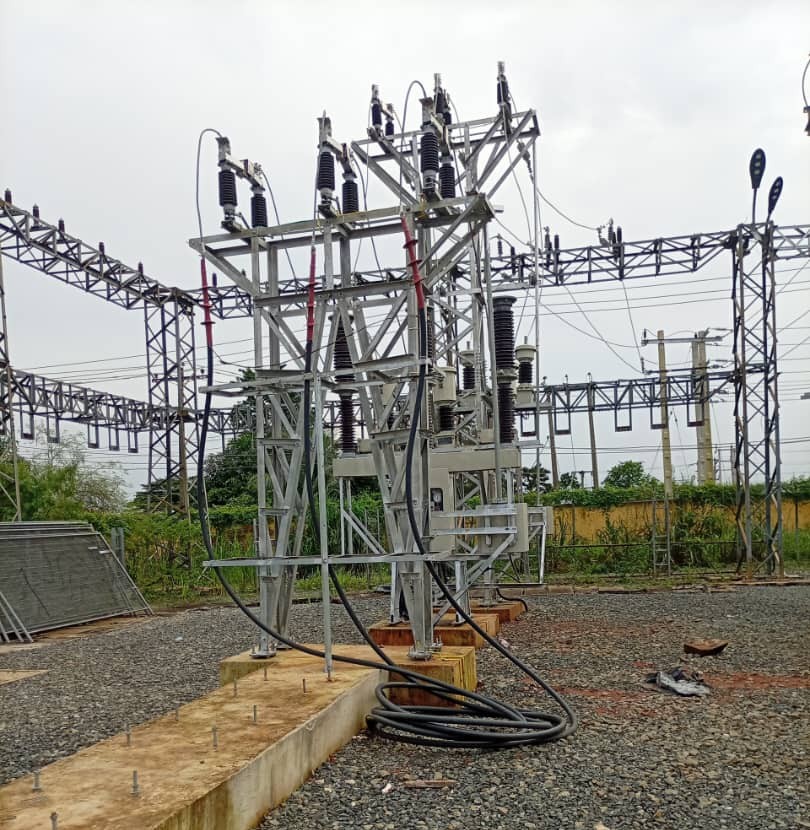
Have You Ever Wondered Where EEDC Gets Its Electricity?
When people experience a power outage in the South-East, the first reaction is often to blame the Enugu Electricity Distribution Company (EEDC). While EEDC is responsible for distributing electricity to customers across Abia, Anambra, Ebonyi, Enugu, and Imo States, many people are surprised to learn that the company does not generate electricity.
Instead, EEDC receives electricity from Nigeria’s national grid, which is supplied by several power generation companies (GenCos) located across different parts of the country. These companies generate electricity using natural gas and hydropower before transmitting it through the Transmission Company of Nigeria (TCN), after which EEDC distributes the available power to homes, businesses, industries, and public institutions.
Understanding where this electricity comes from helps explain why electricity supply sometimes fluctuates and why improvements in power generation directly benefit EEDC customers.
How Electricity Gets to EEDC Customers
Nigeria’s electricity industry consists of three major segments:
| Segment | Responsibility |
| Generation Companies (GenCos) | Generate electricity using gas, hydro, or renewable energy sources. |
| Transmission Company of Nigeria (TCN) | Transmits electricity nationwide through 330kV and 132kV high-voltage transmission lines. |
| Distribution Companies (DisCos) | Receive electricity from TCN and distribute it to homes, businesses, industries, and institutions. EEDC is one of Nigeria’s eleven DisCos. |
This means EEDC can only distribute the amount of electricity allocated to it from the national grid.
Major Power Generation Companies Serving the National Grid
The following generation companies are among the largest contributors to Nigeria’s national grid, from which EEDC receives electricity.
| Power Generation Company | Power Plant | Energy Source | Installed Capacity (Approx.) | State |
| Egbin Power Plc | Egbin Power Station | Natural Gas | 1,320 MW | Lagos |
| Transcorp Power Plc | Ughelli Power Plant | Natural Gas | 972 MW | Delta |
| TransAfam Power Ltd | Afam Power Station | Natural Gas | 966 MW | Rivers |
| Azura Power West Africa | Azura-Edo IPP | Natural Gas | 461 MW | Edo |
| Odukpani Power Company | Odukpani Power Plant | Natural Gas | 560 MW | Cross River |
| Geregu Power Plc | Geregu Power Plant | Natural Gas | 435 MW | Kogi |
| Sapele Power Plc | Sapele Power Station | Natural Gas/Steam | 1,020 MW | Delta |
| Mainstream Energy Solutions Ltd | Kainji Hydroelectric Station | Hydro | 760 MW | Niger |
| Mainstream Energy Solutions Ltd | Jebba Hydroelectric Station | Hydro | 578 MW | Niger |
| North South Power Company | Shiroro Hydroelectric Station | Hydro | 600 MW | Niger |
| Niger Delta Power Holding Company (NDPHC) | Various NIPP Plants | Natural Gas | Over 4,000 MW (installed across plants) | Various States |
These generation companies supply electricity into the national transmission grid, allowing electricity to flow to distribution companies across Nigeria, including EEDC.
Which Power Plants Have the Greatest Impact on EEDC?
Although electricity from all grid-connected power plants is pooled into one national grid, certain generating stations play a more significant role in supplying the South-East due to their location and transmission connections.
The table below highlights the major stations that commonly influence electricity supplied to EEDC.
| Power Station | State | Technology | Why It Matters to EEDC |
| Afam Power Station | Rivers | Gas | One of the closest major generating stations to the South-East. |
| TransAfam Power Station | Rivers | Gas | Provides significant power to the South-East transmission network. |
| Odukpani Power Plant | Cross River | Gas | Supports electricity supply to southern Nigeria, including EEDC. |
| Alaoji National Integrated Power Project (NIPP) | Abia | Gas | Located within the South-East and contributes directly to the regional network. |
| Ughelli Power Plant | Delta | Gas | Major contributor to the national grid. |
| Azura-Edo IPP | Edo | Gas | Reliable independent power producer supporting grid stability. |
These stations frequently contribute electricity delivered to EEDC customers, although the exact contribution changes every hour depending on generation levels, transmission constraints, maintenance activities, gas availability, and national electricity demand.
Why Doesn’t EEDC Always Have Enough Electricity?
Many customers believe EEDC determines how much electricity it supplies, but the reality is different.
Several factors influence electricity availability:
| Challenge | Impact on Electricity Supply |
| Gas shortages | Reduce electricity generation from thermal plants. |
| Transmission constraints | Prevent available power from reaching distribution companies. |
| Equipment maintenance | Temporarily reduces available generating capacity. |
| Grid disturbances | May cause nationwide or regional outages. |
| High electricity demand | Available generation may not meet national demand. |
When any of these challenges occur, EEDC receives less electricity from the national grid and must manage the available supply across its network.
Renewable Energy Is Beginning to Complement Conventional Power
Nigeria is gradually diversifying its electricity mix through renewable energy projects.
Large-scale solar hybrid power plants, battery energy storage systems (BESS), solar mini-grids, and embedded generation projects are reducing dependence on conventional gas-fired power stations.
One of the most impactful initiatives is the Energizing Education Programme (EEP) implemented by the Rural Electrification Agency (REA). Through this programme, several federal universities now operate utility-scale solar hybrid power plants that provide reliable electricity while serving as practical training grounds for students and researchers.
Commercial industries, hospitals, universities, and government institutions are also investing in captive solar power systems to improve electricity reliability.
Nigeria’s Electricity Mix
The country’s electricity generation is still dominated by thermal power, although renewable energy continues to grow.
| Energy Source | Approximate Contribution |
| Natural Gas | 75–80% |
| Hydroelectric Power | 20–25% |
| Solar & Other Renewables | Less than 5% (but growing rapidly) |
As additional solar farms, battery energy storage systems, and renewable energy projects are commissioned, the contribution of clean energy is expected to increase significantly.
Frequently Asked Questions (FAQs)
1. Does EEDC generate electricity?
No. The Enugu Electricity Distribution Company (EEDC) does not generate electricity. Its primary responsibility is to distribute electricity to customers in Abia, Anambra, Ebonyi, Enugu, and Imo States. The electricity it distributes is generated by power generation companies (GenCos) and transmitted through the Transmission Company of Nigeria (TCN).
2. Where does EEDC get its electricity?
EEDC receives electricity from Nigeria’s national grid. The grid is supplied by several power generation companies operating gas-fired and hydroelectric power plants across the country. Electricity is transmitted by TCN before being distributed by EEDC.
3. Which states are served by EEDC?
EEDC provides electricity distribution services in five South-East states:
- Abia
- Anambra
- Ebonyi
- Enugu
- Imo
4. What are the major power generation companies supplying electricity to EEDC?
Some of the major generation companies contributing electricity to the national grid that serves EEDC include:
- Egbin Power Plc
- Transcorp Power Plc (Ughelli)
- TransAfam Power Limited
- Azura Power West Africa
- Odukpani Power Company
- Geregu Power Plc
- Mainstream Energy Solutions Limited (Kainji and Jebba)
- North South Power Company (Shiroro)
- Niger Delta Power Holding Company (NIPP Plants)
5. Which power plants are closest to the EEDC network?
Power stations that commonly support electricity supply to the South-East include Afam Power Station, TransAfam Power Station, Odukpani Power Plant, Alaoji National Integrated Power Project (NIPP), Ughelli Power Plant, and Azura-Edo Independent Power Plant.
6. Why does EEDC experience power shortages?
Power shortages can occur for several reasons, including reduced electricity generation, gas supply constraints, transmission network limitations, maintenance of power plants, equipment faults, and high national electricity demand. Since EEDC only distributes the electricity allocated to it, any reduction in generation or transmission affects its customers.
7. What is the difference between a Generation Company (GenCo) and a Distribution Company (DisCo)?
A Generation Company (GenCo) produces electricity using natural gas, water, or renewable energy sources. A Distribution Company (DisCo), such as EEDC, receives electricity from the national transmission network and delivers it to homes, businesses, and industries.
8. Does EEDC receive electricity from renewable energy sources?
Yes. While most electricity currently comes from gas-fired and hydroelectric power plants, renewable energy projects such as utility-scale solar power plants, solar mini-grids, and embedded generation systems are gradually contributing to Nigeria’s electricity supply and reducing dependence on conventional generation.
9. What is the largest power generation company in Nigeria?
Egbin Power Plc operates Nigeria’s largest gas-fired power station, with an installed capacity of about 1,320 MW, making it one of the country’s most significant contributors to the national grid.
10. What is the role of the Transmission Company of Nigeria (TCN)?
The Transmission Company of Nigeria (TCN) transports electricity generated by power plants through high-voltage transmission lines to distribution companies like EEDC. Without TCN, electricity cannot be delivered from generating stations to consumers.
11. How many electricity distribution companies are there in Nigeria?
Nigeria has eleven electricity distribution companies (DisCos), each responsible for supplying electricity within a designated geographical area. EEDC is one of these eleven distribution companies.
12. Can EEDC generate its own electricity?
Yes. Under Nigeria’s evolving electricity market and the Electricity Act 2023, distribution companies can invest in embedded generation and other power generation projects, subject to regulatory approvals. This can help improve electricity reliability within their franchise areas.
13. What is embedded generation?
Embedded generation refers to electricity produced close to where it is consumed, rather than being transmitted over long distances through the national grid. It often involves gas-fired plants, solar farms, or hybrid energy systems connected directly to a distribution network.
14. How is renewable energy changing electricity supply in Nigeria?
Renewable energy is helping improve electricity access through utility-scale solar power plants, battery energy storage systems (BESS), solar mini-grids, and hybrid power projects. These technologies reduce dependence on fossil fuels, improve grid reliability, and provide cleaner electricity to homes, businesses, universities, and rural communities.
15. What is the future of electricity supply in the EEDC region?
The future is promising. Investments in new power plants, rehabilitation of existing generating stations, expansion of transmission infrastructure, deployment of smart grid technologies, and increasing renewable energy projects are expected to improve electricity reliability across the EEDC franchise area over the coming years.
Looking Ahead
Nigeria’s electricity sector is undergoing significant transformation. Existing power stations are being rehabilitated, new generation projects are under development, renewable energy investments are increasing, and transmission infrastructure is gradually expanding.
For customers served by EEDC, this means the future holds the promise of a more reliable electricity supply. While challenges remain, understanding that electricity passes through a chain involving generation companies, the Transmission Company of Nigeria, and EEDC helps explain both the strengths and the limitations of the current power system.
As Nigeria continues to invest in generation, transmission, and renewable energy, millions of homes and businesses across the South-East stand to benefit from a stronger, cleaner, and more resilient electricity network.